


AbbVie to Acquire Pharmacyclics, Creating an Industry Leading Hematological Oncology Franchise
NORTH CHICAGO, Ill. and SUNNYVALE, Calif., — AbbVie (NYSE:ABBV) and Pharmacyclics (NASDAQ: PCYC) today announced a definitive agreement under which AbbVie will acquire Pharmacyclics, and its flagship asset Imbruvica® (ibrutinib), a highly effective treatment for hematologic malignancies. The acquisition accelerates AbbVie’s clinical and commercial presence in oncology, strengthening its already robust pipeline, and establishing its strong leadership position in hematological oncology – an attractive and rapidly growing market, now approaching $24 billion globally. The acquisition adds to AbbVie’s already comprehensive pipeline and strong growth prospects.
Under the terms of the transaction, AbbVie will pay $261.25 per share comprised of a mix of cash and AbbVie equity. The transaction values Pharmacyclics at approximately $21 billion and was approved by the Boards of Directors of both companies.
Imbruvica® is a Bruton’s tyrosine kinase (BTK) inhibitor approved for use in four indications to treat three different types of blood cancers including chronic lymphocytic leukemia, mantle cell lymphoma and Waldenstrom’s macroglobulinemia. Imbruvica® received initial U.S. Food and Drug Administration (FDA) approval in 2013 and is the only therapy to have received three Breakthrough Therapy designations by the FDA. It is currently approved in more than 40 countries. Significant opportunity exists with further Imbruvica® indications, including solid tumors, the potential to leverage AbbVie’s immunology expertise for the development of Pharmacyclics’ immunology program, and advance AbbVie’s efforts in hematologic malignancies.
“The acquisition of Pharmacyclics is a strategically compelling opportunity. The addition of Pharmacyclics’ talented and innovative team will add enormous value to AbbVie,” said Richard A. Gonzalez, chairman and chief executive officer, AbbVie. “Its flagship product, Imbruvica®, is not only complementary to AbbVie’s oncology pipeline, it has demonstrated strong clinical efficacy across a broad range of hematologic malignancies and raised the standard of care for patients.”
“Team Pharmacyclics is honored and enthusiastic to join the AbbVie organization. We share a common purpose. Together and as one, our focus remains to create a remarkable difference for patient betterment around the world,” said Bob Duggan, chairman and chief executive officer, Pharmacyclics.
Transaction Terms
AbbVie will acquire all of the outstanding shares of common stock of Pharmacyclics through a tender offer, followed by a second-step merger. In the tender offer, AbbVie will offer to acquire all of the outstanding shares of Pharmacyclics’ common stock for $261.25 per share, consisting of cash and AbbVie common stock. Pharmacyclics’ stockholders will be permitted to elect cash, AbbVie common stock or a combination, subject to proration. The aggregate consideration will consist of approximately 58% cash and 42% AbbVie common stock. The closing of the tender offer is subject to customary closing conditions, including regulatory approvals, and the tender of a majority of outstanding shares of Pharmacyclics’ common stock, and is expected to close in mid-2015.
AbbVie will acquire all remaining shares of Pharmacyclics’ common stock that are not tendered in the tender offer through a second-step merger, which will be completed immediately following the tender offer and without a vote of Pharmacyclics’ stockholders.
AbbVie expects to fund the transaction through a combination of existing cash, new debt and stock.
Conference Call Details
AbbVie will host a conference call Thursday, March 5, 2015 at 8 am Central time to discuss this transaction. The call will be webcast through AbbVie’s Web site at www.abbvieinvestor.com.
Advisors
Morgan Stanley & Co. LLC acted as financial advisor, and Wachtell, Lipton, Rosen & Katz acted as legal counsel, to AbbVie. Centerview Partners LLC and J.P. Morgan Securities LLC acted as financial advisors, and Wilson Sonsini Goodrich & Rosati, P.C. acted as legal counsel, to Pharmacyclics.
About AbbVie
AbbVie is a global, research-based biopharmaceutical company formed in 2013 following separation from Abbott Laboratories. The company’s mission is to use its expertise, dedicated people and unique approach to innovation to develop and market advanced therapies that address some of the world’s most complex and serious diseases. AbbVie employs more than 26,000 people worldwide and markets medicines in more than 170 countries. For further information on the company and its people, portfolio and commitments, please visit www.abbvie.com. Follow @abbvie on Twitter or view careers on our Facebook or LinkedIn page.
About Pharmacyclics
Pharmacyclics, Inc. (NASDAQ: PCYC) is a biopharmaceutical company focused on developing and commercializing innovative small-molecule drugs for the treatment of cancer and immune mediated diseases. The company’s mission is to build a viable biopharmaceutical company that designs, develops and commercializes novel therapies intended to improve quality of life, increase duration of life and resolve serious unmet medical needs. It will do so by identifying and controlling promising product candidates based on scientific development and administrative expertise, developing its products in a rapid, cost-efficient manner and, pursuing commercialization and/or development partners when and where appropriate.
Pharmacyclics markets IMBRUVICA and has three product candidates in clinical development and several preclinical molecules in lead optimization. The company is committed to high standards of ethics, scientific rigor and operational efficiency as it moves each of these programs to commercialization. Pharmacyclics is headquartered in Sunnyvale, CA. To learn more, please visit www.pharmacyclics.com.
Households Begin Returning To Work in Liberia as Ebola Crisis Wanes
WASHINGTON, — Nearly 20 percent of the Liberians who had stopped working since the Ebola crisis have returned to work in the last month, according to the World Bank Group’s most recent round of cell-phone surveys, signaling both important progress and the magnitude of the challenge ahead.
This improvement, an encouraging sign of a shift toward economic normalization, was mainly driven by a large increase in wage work in urban areas. A substantial percentage of those working pre-crisis remain out of work, however; those in self-employment continue to be the hardest hit by the Ebola crisis, pointing to a lack of working capital and a lack of customers as the main barriers to their operation.
As the pressing health crisis in Liberia slows, it will be important to identify and support those who are most vulnerable to a sluggish economy and the increasing number of households whose long-term welfare may be negatively impacted by coping decisions made in the name of immediate stability. Nearly 85 percent of those surveyed in December and January report having sold assets, sold or slaughtered livestock, borrowed money, sent children to live with relatives, spent savings, or delayed investments in order to manage since the start of the Ebola crisis.
“As Liberia approaches zero cases of Ebola, our focus on supporting the country’s economic recovery and preparedness for future shocks will move to the forefront” said Inguna Dobraja, World Bank Group Country Manager for Liberia, “There is still much work to be done to protect the long-term welfare of the most vulnerable in Liberia.”
Despite an improved outlook, agriculture remains a concern. Nearly 65 percent of agricultural households surveyed in this round believed that their harvest would be smaller than it had been in the previous year, though this is down from 80 percent in December. Labor shortages and inability to work in groups due to Ebola infection fears continue to pose a problem for agricultural households; if the fear persists into the new season beginning in April, it could impact the amount of land under cultivation, as the clearing process is more labor intensive than the harvest.
Food insecurity persists nationwide, with nearly three-quarters of households reporting that they were worried at some point in the previous week that they would not have enough to eat; households continue to cite a lack of money as the main constraint to purchasing enough food to feed their families.
“It is encouraging to see good news related to jobs,” said Kristen Himelein, World Bank Group Poverty Economist for Liberia, “While the food insecurity and self-employment numbers are still concerning, the economic turnaround has begun. We are seeing the lowest out-of-work numbers since October.”
As households send their children back to school in the next month, and with the opening of international borders and lifting of the curfew, the World Bank Group and its partners in the Liberia Institute of Statistics and Geo-Information Services and the Gallup Organization will continue to monitor the crisis and work to support the Liberian government and its people as they move into economic recovery.
The World Bank Group’s Response to Ebola
The World Bank Group has mobilized about $1 billion in financing for the countries hardest hit by the Ebola crisis. This includes $518 million from IDA, the World Bank Group’s fund for the poorest countries, to provide treatment and care, contain and prevent the spread of infections, help communities cope with the economic impact of the crisis, and improve public health systems; and at least $450 million from IFC, a member of the World Bank Group, to enable trade, investment and employment. More information: www.worldbank.org/ebola
Lions Health, UNICEF and Unilever Launch Global Health Competition
Last night, Lions Health together with UNICEF and Unilever, launched the Young Lions Health Award, an exciting new competition for young creatives and marketers that aims to improve challenges facing global health systems in developing countries.
For UNICEF, one of the key challenges for children to survive and thrive is creating the awareness that health is not just about supplies or specific initiatives – but about creating a more sustainable system that reaches every child with basic, lifesaving health services. Effective health systems are not just about providing medicines, doctors, and facilities, they are also about communicating with those communities and educating families about the importance of seeking care and support.
To date, communications around child health have been fragmented and divided into silos, such as sanitation, HIV and vaccination, preventing an integrated approach in generating awareness and support.
The Young Lions Award calls on the young creative industry to develop a compelling campaign that would help address this challenge. UNICEF will utilise the winning campaign as the basis for engaging the general public to advocate and mobilise support for better, child-focused health systems. Communication and marketing professionals, under the age of 30, are invited to submit their campaign concepts online commencing on 25 February.
Speaking at the event, Philip Thomas, CEO of Lions Festivals, said that “as organisers of a global annual awards and Festival for creative excellence in pharma and healthcare & wellness, it was a natural move to introduce an award that will help propel and showcase young industry talent.” He continued that he was “delighted to have the support of both UNICEF and Unilever whose involvement meant that beyond recognising talent, the competition served a higher purpose in generating awareness of the need to strengthen health systems in the developing world.”
Speaking about their involvement, Gérard Bocquenet, Director Fundraising and Partnerships of UNICEF, said, “The Cannes Lions-UNICEF-Unilever partnership is precisely the type of bold and innovative initiative required to leverage public engagement to create lasting – and life-saving – change for the most excluded and vulnerable children. The Young Lions initiative is a great opportunity for UNICEF to tap into an unparalleled source of creative communication ideas to raise support to help UNICEF strengthen health systems in the developing world.”
Keith Weed, Unilever’s Chief Marketing and Communications Officer, stated, “At Unilever, we believe business has a role to play in addressing today’s global development challenges and are actively involved in several areas that align with our business. This partnership provides an innovative platform to generate awareness about the millions of people in developing countries who are dying from preventable diseases — as result of conditions such as poor hygiene, lack of access to proper sanitation, and the absence of safe and affordable drinking water — and the necessary solutions needed to help create a sustainable future for generations to come.”
Entries will be judged by a dedicated jury made up of respected industry members:
• Andrew Spurgeon, Executive Creative Director, Langland
• Ashley Schofield, Executive Creative Director, CDM Princeton
• Claudia Gonzalez Romo, Chief of Public Advocacy, UNICEF
• June Laffey, Executive Creative Director, McCann Health Sydney
• Keith Weed, Chief Marketing & Communications Officer, Unilever
• Dr Mickey Chopra, Chief of Health and Associate Director of Programmes, UNICEF
• Rob Rogers, Chief Creative Officer and co-CEO, the Americas, Sudler
• Shaheed Peera, Executive Creative Director EU, Publicis Life Brands Resolute
Taking place from 19-20 June, Lions Health is a festival and awards ceremony for creative excellence in the global healthcare industry. The winners of the Young Lions Health Award will be presented at Lions Health giving them the opportunity to join the global healthcare community, as well as see their entry in the spotlight when they are presented to at the official awards ceremony.
Further information on how to enter, along with key dates and the creative brief can be found online at www.canneslions.com/lions_health.(Link opens in a new window)
-Ends-
Lions Health, 19 & 20 June 2015, Palais des Festivals, Cannes, France
Lions Health is a global annual awards for creative excellence in pharma and healthcare & wellness communications, judged by international industry professionals. The awards form part of a two-day Festival of content, learning and debate that will explore the essential and unique issues relating to the world of healthcare communications, present exhibitions and screenings of the work being judged, and offer unrivalled networking opportunities.
Lions Health is organised by Lions festivals.www.canneslions.com/lions_health(Link opens in a new window)
Lions Festivals
Lions Festivals is the organiser of Cannes Lions International Festival of Creativity, Lions Health, Lions Innovation and Eurobest, as well as co-organisers, with its joint venture partners, of Dubai Lynx International Festival of Creativity, Spikes Asia Festival of Creativity, and the Asian Marketing Effectiveness & Strategy Awards.www.lionsfestivals.com(Link opens in a new window)
Lions Festivals is powered by Top Right Group.
Competition dates
Announcement of brief: 17 February 2015
Entries open: 25 February
Entries close: 27 March
Judging: 13 April 2015 – 30 April 2015
Award presentation – Lions Health Awards Ceremony, 19 June 2015
Key Dates
Delegate registration: open
Entries: open
Entries Deadline: 27 March 2015
Lions Health: 19 & 20 June 2015, Palais des Festivals, Cannes, France
Contact
For further information, please contact:
Camilla Lambert, PR & Press Manager
Lions Festivals, 33 Kingsway, London, WC2B 6UF United Kingdom
Tel: +44-(0)20-3033 4000; E-mail:camillal@canneslions.com
About UNICEF
UNICEF promotes the rights and wellbeing of every child, in everything we do. Together with our partners, we work in 190 countries and territories to translate that commitment into practical action, focusing special effort on reaching the most vulnerable and excluded children, to the benefit of all children, everywhere.
IMF Establishes a Catastrophe Containment and Relief Trust For Countries Hit by Public Health Disasters
The Ebola epidemic in parts of West Africa is a humanitarian catastrophe that has drawn attention of the international community to the need of addressing the rapid spread of life threatening infectious diseases that cause substantial domestic disruption and cross international borders.
On February 4, 2015, the Executive Board of the International Monetary Fund (IMF) discussed how to better support Low-Income Countries hit by public health disasters. The Board approved the establishment of the Catastrophe Containment and Relief (CCR) Trust, allowing the Fund to provide debt relief in these cases, as well as to members experiencing other types of catastrophic disasters. These grants can ease pressures on the members’ balance of payments and create fiscal space to tackle relief and recovery challenges.
The CCR will provide grants for debt relief totaling $100 million for the three countries affected by Ebola in West Africa—Liberia, Sierra Leone, and Guinea. This comes in addition to the $130 million of assistance provided in September 2014, and a second round of new concessional loans amounting to about $160 million to be considered soon by the Executive Board.
Background
In their November 2014 meeting in Brisbane, the G-20 called on the Bretton Woods Institutions to continue their strong support to countries severely affected by the Ebola outbreak through a combination of concessional loans, debt relief and grants, and asked the institutions to explore new, flexible mechanisms to address the economic effects of future comparable crises. The CCR Trust is the Fund’s response to that call. It replaces the Post-Catastrophe Debt Relief (PCDR) Trust established on June 25, 2010 in the wake of a massive earthquake in Haiti, and expands the circumstances under which the Fund can provide exceptional assistance to its low income members to include public health disasters.
Through the new instrument, the Fund is able to quickly and flexibly adjust its policies in the face of unexpected international developments, including pandemics, to serve the needs of its membership, especially the most vulnerable.
At the conclusion of the Executive Board meeting on the CCR, IMF Managing Director Christine stated: “I welcome the establishment of the Catastrophe Containment Relief Trust. It aims at enhancing our support to the countries in Africa hit by Ebola, as well as other low income countries that may be affected by public health disasters in the future.”
Executive Board Assessment:1
Directors welcomed the opportunity to discuss how the Fund can enhance its support to member countries affected by public health disasters. They agreed that the Fund has an important role to play as part of a broad international effort to assist affected countries, and underscored the importance of close coordination and effective collaboration with other international institutions, including the World Bank. Directors broadly supported the staff’s proposals, although a number of them felt that it would have been helpful to include a discussion of other options, such as increased access under the PRGT facilities.
Directors considered and supported the transformation of the existing Post-Catastrophe Debt Relief (PCDR) Trust into a Catastrophe Containment and Relief (CCR) Trust and the underlying policy framework as set out in the staff paper. They agreed with the proposed two windows under the CCR Trust: (i) a Post-Catastrophe Relief window, which would replicate the design and functions of the PCDR Trust; and (ii) a Catastrophe Containment window to support countries hit by public health disasters.
Directors broadly supported the proposal that eligibility for assistance from the CCR Trust should be limited to the poorest and most vulnerable PRGT-eligible countries, consistent with the existing eligibility criteria for support from the PCDR Trust. Some Directors called for the inclusion of other PRGT-eligible members, including but not limited to microstates. In this context, a few Directors noted that references to low-income countries in the staff paper needed qualification, given that not all low-income countries hit by public health disasters would be eligible to access the CCR. Directors agreed that access to grant resources from the Catastrophe Containment window should be limited to cases where the country is experiencing an epidemic of a life-threatening disease that has spread across several areas of the country, is causing significant economic disruption and balance of payments pressures, and has the capacity to spread, or is already spreading, rapidly within and across countries. Directors called on Fund staff to draw on assessments of the situation by relevant international agencies, especially the World Health Organization, and national authorities when conducting its analysis.
Directors supported the proposal to provide assistance via the Catastrophe Containment window of the CCR Trust in the form of up-front grants to immediately pay off upcoming debt service payments to the Fund on eligible debt. Eligible debt would not include credit committed concurrently with, or after, qualification. Directors also agreed that the amount of grant support would be set at 20 percent of the member’s quota, subject to the constraint that such support could not exceed the level of eligible Fund debt outstanding and conditional upon the availability of resources in the CCR Trust.
Directors broadly supported the proposal to allow for the possibility of providing assistance in excess of 20 percent of quota under the exceptional circumstances specified in the staff paper. A number of Directors, however, expressed reservations regarding using these exceptions, while some Directors stressed the need for flexibility in responding to public health disasters. In all exceptional cases, management intends to consult informally with the Executive Board when there is a potential case for providing grants in excess of 20 percent of quota under these exceptions, before bringing the proposal for formal Board consideration.
Directors supported the proposal to liquidate the MDRI-I Trust and to transfer all remaining balances to the General Account of the CCR Trust (through the SDA). They also agreed to amend the liquidation provision of the MDRI-II Trust Instrument to allow for the transfer of remaining balances upon its liquidation to the General Account of the CCR Trust, which would become effective upon each contributor’s consent. Some Directors expressed concern that the transfer of MDRI balances to the CCR Trust could divert potential resources away from the PRGT. Directors underscored the importance of securing additional bilateral resources to ensure adequate financing of the CCR Trust for potential future cases.
Directors looked forward to a comprehensive review of the CCR Trust five years after its establishment, or earlier if warranted.
Leaders From Around The World Are All In To End The AIDS Epidemic Among Adolescents
NAIROBI, — While major advances have been made in almost every area of the response to HIV, progress for adolescents is falling behind, said leaders in the global response to end the AIDS epidemic.
AIDS has become the leading cause of death for adolescents in Africa and the second leading cause of death among adolescents globally. Just one in four children and adolescents under the age of 15 have access to life-saving antiretroviral treatment. Deaths are declining in all age groups, except among 10–19 year olds.
New HIV infections among adolescents are not declining as quickly as among other age groups. Adolescent girls, particularly in sub-Saharan Africa, are most affected. In South Africa in 2013, more than 860 girls became infected with HIV every week, compared to 170 boys.
To address this inequity, UNAIDS, UNICEF and partners have launched All In, a new platform for action to drive better results for adolescents by encouraging strategic changes in policy and engaging more young people in the effort.
Leaders from around the world met today in Nairobi, Kenya, where President Uhuru Kenyatta launched the new platform, which will help address one of the most pressing gaps in the AIDS response.
“By including adolescents in decision-making processes that have a direct effect on their lives, this initiative will be a catalyst for change,” said President Kenyatta. “Kenya is proud to support this new initiative.”
All In focuses on four key action areas: engaging, mobilizing and empowering adolescents as leaders and actors of social change; improving data collection to better inform programming; encouraging innovative approaches to reach adolescents with essential HIV services adapted to their needs; and placing adolescent HIV firmly on political agendas to spur concrete action and mobilize resources.
“HIV is the leading cause of death among adolescents in Africa and young women are most affected. This is a moral injustice. I am calling on young people to lead the All In movement, alongside the United Nations, public and private partners, and countries themselves, to end the adolescent AIDS epidemic,” said Michel Sidibé, Executive Director of UNAIDS.
Most of the 2.1 million adolescents living with HIV in 2013 became infected at least 10 years ago, when their mothers were pregnant, during delivery or in the first months of life—at a time when antiretroviral medicines that can greatly reduce the possibility of HIV transmission were not available. Many were never diagnosed, lost to follow-up or fell out of treatment and care programmes.
“Children and young people should be the first to benefit from the progress we have made in ending the epidemic, not the last,” said UNICEF Executive Director Anthony Lake. “We need to reach the adolescents we are missing and engage all young people in the effort to end adolescent AIDS. In fact, we cannot achieve the goal of an AIDS-free generation without them.”
More than 200 young advocates and leaders from adolescent and youth movements were present at the launch of All In.
“We can’t talk about ending AIDS or getting to zero without including adolescents in every decision-making platform,” said Consolata Opiyo, from Y+, the Global Network of Young People Living with HIV. “Adolescents are the group most affected by HIV and they are tomorrow’s leaders.”
“We can’t say that we are on the right track to end AIDS if it continues being the main cause of death for adolescents in Africa,” said Pablo Aguilera, Executive Director of the HIV Young Leaders Fund and Co-Chair of the PACT. “We must ensure that no adolescent is left behind.”
Since the HIV status of many children went undiagnosed 10 to 15 years ago, they are now entering adolescence unaware that they are living with the virus, with limited opportunities for HIV detection and referral to treatment programmes.
Deborah Birx, United States Global AIDS Coordinator and United States Special Representative for Global Health Diplomacy, said, “The future of sub-Saharan Africa rests in the health and well-being of the youth. We’re committed to working with partner countries and others to close the health gap that leaves adolescent girls and young women particularly vulnerable to HIV infection.”
“I warmly welcome this launch of the All In initiative as an innovative way to tackle a stubborn stronghold of HIV infection,” said Margaret Chan, Director-General of the World Health Organization.
The All In platform for action aims to increase the meaningful participation of adolescents in decision-making processes and strengthen youth-led social movements. The campaign will also identify opportunities to link adolescent HIV strategies into existing adolescent health and development programmes. In addition, All In will engage national leaders to coordinate, support and lead assessments of existing programmes and expand partnerships for innovation between the public and private sectors.
“We need to meet adolescents where they are and address the challenges they face,” said Babatunde Osotimehin, Executive Director of UNFPA, the United Nations Population Fund. “UNFPA is All In to protect their human rights and sexual and reproductive health, and prevent and treat HIV.”
All In will aim to reach adolescents with HIV services designed for their specific needs and realities and to fast-track progress among an age group critical to advancing global efforts to end the AIDS epidemic by 2030.
“We can expand opportunity by getting everyone to recognize the seriousness of HIV, and how to end it,” said Mark Dybul, Executive Director of the Global Fund to Fight AIDS, Tuberculosis and Malaria.
The next five years are crucial. UNAIDS has set new Fast-Track Targets to be achieved by 2020 for adolescents that include reducing new HIV infections by at least 75%, reducing AIDS-related deaths by 65% and achieving zero discrimination. Achieving the targets would put the world on track towards ending adolescent AIDS by 2030 and ending the global AIDS epidemic as a public health threat.
###
All In to #EndAdolescentAIDS
All In to #EndAdolescentAIDS is a platform for action and collaboration to inspire a social movement to drive better results for adolescents through critical changes in programmes and policy. It aims to unite actors across sectors to accelerate reductions in AIDS-related deaths and new HIV infections among adolescents by 2020, towards ending the AIDS epidemic for all by 2030. It is convened by a leadership group that includes UNAIDS, UNICEF, UNFPA, WHO and PEPFAR, as well as the Global Fund to Fight AIDS, Tuberculosis and Malaria, the MTV Staying Alive Foundation and the adolescent and youth movement represented by the HIV Young Leaders Fund on behalf of the PACT and Y+.
UNAIDS
The Joint United Nations Programme on HIV/AIDS (UNAIDS) leads and inspires the world to achieve its shared vision of zero new HIV infections, zero discrimination and zero AIDS-related deaths. UNAIDS unites the efforts of 11 UN organizations—UNHCR, UNICEF, WFP, UNDP, UNFPA, UNODC, UN Women, ILO, UNESCO, WHO and the World Bank—and works closely with global and national partners towards ending the AIDS epidemic by 2030. Learn more at unaids.org and connect with us on Facebook and Twitter.
UNICEF
UNICEF promotes the rights and wellbeing of every child, in everything we do. Together with our partners, we work in 190 countries and territories to translate that commitment into practical action, focusing special effort on reaching the most vulnerable and excluded children, to the benefit of all children, everywhere. For more information about UNICEF and its work visit: www.unicef.org. Follow UNICEF on Twitter and Facebook.
SAMSUNG Premium Ultrasound System Enhances Fetal Heart Imaging and Diagnosis with Advanced 5D Applications

San Diego – Samsung Electronics America, Inc., a subsidiary of Samsung Electronics Co. Ltd, today introduced the Samsung WS80A with Elite performance package, its flagship ultrasound product for women’s healthcare designed to streamline exam workflows and deliver exceptional image clarity. This high resolution premium system offers enhanced diagnostic capabilities and expanded 5D features – including a new 5D Heart application – building on Samsung’s WS80A platform.
“The launch of Samsung’s flagship ultrasound product for the women’s health market emphasizes Samsung is ready for the next big thing in ultrasound,” said Doug Ryan, Group Vice President for Health and Medical Equipment at Samsung Electronics America. “The Samsung WS80A with Elite performance package incorporates Samsung’s latest innovations, including an expanded set of 5D workflow applications, to continue our promise of delivering fast, easy and accurate diagnosis for healthcare providers and their patients.”
The screening and diagnosis of congenital heart disease – the leading organ-specific birth defect – remains an important challenge for sonographers and physicians.1 The Samsung WS80A with Elite’s 5D Heart tool generates nine standard fetal cardiac views simultaneously in a single template, offering an intuitive workflow that can simplify examination of the fetal heart and improve reproducibility.
“Utilizing Fetal Intelligent Navigation Echocardiography (FINE), 5D Heart can help improve the performance of fetal echocardiography by shortening the examination time, providing the nine standard cardiac planes which are necessary to examine the fetal heart thoroughly,” said Dr. Lami Yeo, Associate Professor and Director of Fetal Cardiology at the Department of Obstetrics and Gynecology of Wayne State University’s School of Medicine in Detroit, Michigan.
Expanded 5D Workflow
5D workflow refers to semi-automated identification of specific diagnostic image planes and measurements from a volume data set. Expanding on the 5D LB (fetal long-bone) and 5D NT(nuchal translucency) features previously introduced on the Samsung WS80A, the WS80A with Elite performance package integrates:
5D Heart – An innovative application designed to simultaneously display nine standard fetal cardiac views by applying intelligent navigation technology to volume datasets of the fetal heart.
5D CNS (Central Nervous System) – Displays six measurements (BPD, HC, OFD, Cerebellum, Posterior Fossa, Atria lateral ventricle) from three transverse views generated from a single volume of the fetal brain to enhance measurement reproducibility and streamline workflow.
5D Follicle – Identifies and measures multiple ovarian follicles for rapid assessment of follicular size and status during gynecology examinations.
Superb Image Quality
The Samsung WS80A with Elite performance package also features improved image quality through S-Vue Transducer technology offering broader bandwidth and higher sensitivity. The convex 3D S-Vue transducer offers higher performance, in a smaller, lighter and more comfortable design for imaging sonologists. Further supporting accurate diagnosis, the new system incorporates a 23-inch wide LED screen to provide vibrant color representation and enhanced viewing of ultrasound images.
The Samsung WS80A with Elite performance package system has received 510(k) clearance and is now available in the market.
The Samsung WS80A with Elite performance package is among a number of innovative medical imaging products Samsung will be showcasing at the Society for Maternal Fetal Medicine (SMFM) 35th Annual Meeting from February 4-6 at the Hilton San Diego Bayfront, Booth # 306. To learn more about Samsung Electronics America’s health and medical equipment portfolio, please visit samsung.com/ultrasound.
About Samsung Enterprise
As a global leader in enterprise mobility and information technology, Samsung provides a diverse portfolio of enterprise technologies including smartphones, wearables, tablets, digital displays, hospitality TVs, printers and medical diagnostic equipment. We are committed to putting the business customer at the core of everything we do by delivering comprehensive products, solutions and services across diverse industries including retail, healthcare, hospitality, education and government. Samsung Electronics America, Inc. (SEA) and the Enterprise Business Division is committed to helping customers realize the promise of a digital business. For more information, please visit samsung.com/business, call 1-866-SAM-4BIZ FREE or follow Samsung Business via Twitter @SamsungBizUSA.
About Samsung Electronics Co., Ltd.
Samsung Electronics Co., Ltd. inspires the world and shapes the future with transformative ideas and technologies, redefining the worlds of TVs, smartphones, wearable devices, tablets, cameras, digital appliances, printers, medical equipment, network systems and semiconductors. We are also leading in the Internet of Things space through, among others, our Digital Health and Smart Home initiatives. We employ 307,000 people across 84 countries. To discover more, please visit our official website at www.samsung.com and our official blog at global.samsungtomorrow.com.
Improving Health Care Through ACA and Additional Reforms – President Obama’s Budget Excerpts
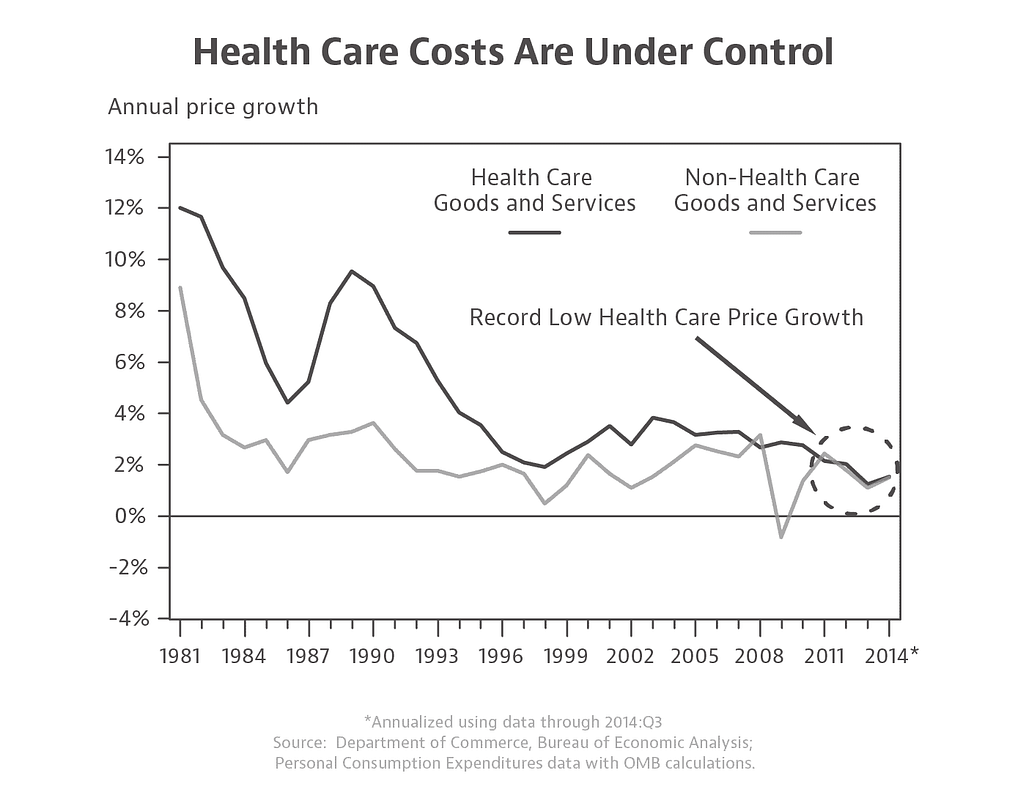
The President’s health plan provides hard-working, middle class Americans the economic security they deserve. American families no longer need to worry about losing coverage due to economic setbacks, such as lay-offs or job changes, or due to pre-existing conditions, such as asthma. The ACA also forces insurance companies to play by the rules, prohibiting them from discriminating against anyone with a pre-existing condition, dropping coverage due to illness, billing patients into bankruptcy because of an illness or injury, and limiting annual or lifetime benefits. Further, as discussed in the first chapter, the ACA has taken historic and significant steps toward putting the Nation back on a sustainable fiscal course, while laying the foundation for a higher-quality, more secure health care system. The ACA is improving the quality of care that Americans receive and reducing cost growth by deploying innovative new payment and delivery models that incentivize more efficient, higher-quality care.
Since the full implementation of the ACA began in 2014, millions of people have enrolled in either private insurance through the Health Insurance Marketplace, or coverage through Medicaid and the Children’s Health Insurance Program (CHIP). As a result, the number of uninsured Americans has dropped by an estimated 10 million. The ACA is helping to enhance competition among insurance companies, expand coverage choices, and increase affordability, by keeping premiums low and offering tax credits to more Americans to help them purchase coverage.
Supporting Implementation of the Affordable Care Act
The Budget fully funds the ongoing implementation of ACA’s health insurance coverage improvements through the operation of Health Insurance Marketplaces and the premium tax credits and cost sharing assistance to help make coverage affordable, drive down long-term health care costs, and improve care for millions of citizens.
Preserving Coverage through CHIP. CHIP currently serves over eight million children of working parents who are not eligible for Medicaid. The Budget proposes to extend funding for CHIP, which ends in 2015, through 2019, ensuring continued, comprehensive, affordable coverage for these children. The proposal is paid for through an increase in tobacco taxes that will help reduce youth smoking and save lives.
2.10.2
Strengthening Medicare and Medicaid
This year will mark the 50th anniversary of the enactment of Medicare and Medicaid. Together, Medicare and Medicaid provide affordable health coverage to support longer, healthier lives and economic security for the Nation’s seniors and low-income working Americans and families. Today, Medicare provides about 55 million Americans with dependable medical insurance. State Medicaid programs provide health and long-term care coverage to more than 68 million low income Americans. The ACA and the Budget strengthen the Medicare and Medicaid programs through reforms that expand health coverage in Medicaid, encourage high-quality and efficient care, and continue the progress of reducing cost growth.
Expanding Health Coverage by Improving Access to Medicaid and CHIP Coverage and Services. The Budget gives States the option to streamline eligibility determinations for children in Medicaid and CHIP and to maintain Medicaid coverage for adults by providing one-year of continuous eligibility. The Budget expands access to preventive benefits and tobacco cessation for adults in Medicaid and ensures children in inpatient psychiatric treatment facilities have access to comprehensive benefits.
Promoting Access to Medicaid Long-Term Care Services and Supports (LTSS). The Budget includes proposals that would expand access to Medicaid home and community-based services (HCBS) as an alternative to institutional care for individuals with disabilities and elderly populations. First, the Budget expands and simplifies eligibility to encourage more States to provide HCBS in their Medicaid programs. The Budget also includes a comprehensive long-term care pilot for up to five States to test, at an enhanced Federal match rate, a more streamlined approach to delivering LTSS to support greater access and improve quality of care. In 2015, the Administration will host the sixth White House Conference on Aging to recognize the importance of these, and other key programs for older Americans, as well as to look ahead to how to improve and advance the quality of life for older Americans in the next decade.
Improving Care Delivery for Low-Income Medicare-Medicaid Beneficiaries. The Budget proposes a budget-neutral pilot in a limited number of States to provide qualifying low-income adults, under age 55, benefits under the Program for All-Inclusive Care for the Elderly (PACE), while promoting community services in line with the integration of the landmark Olmstead Supreme Court decision [1], supporting self-determination, serving people with disabilities in the most integrated setting appropriate to their needs, and achieving better health outcomes. Under current law, PACE provides comprehensive long-term services to qualifying individuals age 55 and older. Pilots will test whether PACE programs can effectively serve a younger population without increasing costs. The Budget also proposes to implement streamlined processes for beneficiary appeals and joint Federal-State review of marketing materials for managed care plans that integrate Medicare and Medicaid payment and services and serve Medicare-Medicaid enrollees. These proposals address the sometimes conflicting requirements in each program. In addition, the Budget proposes to permanently authorize a demonstration that provides retroactive drug coverage for certain low-income Medicare beneficiaries through a single plan, establishing a single point of contact for beneficiaries seeking reimbursement for claims.
[1] The U.S. Supreme Court’s 1999 landmark decision in Olmstead v. L.C. (Olmstead) found the unjustified segregation of people with disabilities is a form of unlawful discrimination under the Americans with Disabilities Act. Olmstead requires States to administer programs in the most integrated setting appropriate to the needs of qualified individuals with disabilities.
Encouraging High-Quality, Efficient Care among Medicare Providers. The Budget continues a set of proposals that build on initiatives included in ACA to help extend Medicare’s solvency while encouraging provider efficiencies and improved patient care. This includes a proposal to encourage efficient post-acute care by adjusting payment updates and other payment modifications for certain post-acute care providers. The Budget also proposes to better align certain special payments to hospitals with the cost of care and reduce Medicare bad debt payments in a way that more closely matches private sector standards. Additional proposals to promote efficiency in the Medicare program include: improving payment accuracy for Medicare Advantage; constraining Medicare cost growth; better aligning payments to teaching hospitals with patient care costs; and addressing excess payments for Medicare Part B drugs to hospitals and physicians. Together, these proposals would save approximately $222 billion over 10 years.
Improving Health Outcomes for Children and Youth in Foster Care. The Budget also establishes a new Medicaid demonstration project in partnership with the Administration for Children and Families to encourage States to provide evidence-based psychosocial interventions to address the behavioral and mental health needs of children in foster care and reduce reliance on psychotropic medications, with the goal of improving overall health outcomes.
Reducing Cost Growth by Encouraging Beneficiaries to Seek High-Value Services. The Budget includes structural changes that will encourage Medicare beneficiaries to seek high-value health care services. To help improve the financial stability of the Medicare program, the Budget reduces the Federal subsidy of Medicare costs for those beneficiaries who need that subsidy the least. The Budget includes several modifications for new beneficiaries starting in 2019, such as a modified Part B deductible and a modest copayment for certain home health episodes. Research indicates that beneficiaries with Medigap plans that provide first, or near-first-dollar coverage have less incentive to consider the costs of health care services, thus raising Medicare costs and Part B premiums for all beneficiaries. The Budget applies a premium surcharge for new beneficiaries beginning in 2019 if they choose such Medigap coverage. Together, these proposals would save approximately $84 billion over 10 years.
Improving Quality and Lowering Drug Costs for Federal Health Programs. The Budget includes a number of proposals that lower drug costs, while improving quality and reducing waste in the Medicare Part D program. The Administration is deeply concerned with the rapidly growing prices of specialty and brand name drugs. The Budget proposes to give the Secretary of HHS the authority to negotiate drug prices for biologics and high-cost drugs in Medicare Part D to help ensure access to and affordability of these treatments. This proposal is one of a range of potential solutions to address these growing costs, and the Administration looks forward to working with the Congress on this challenge. The Budget also proposes to close the coverage gap for brand drugs in the Part D benefit by 2017, three years earlier than under current law, by increasing the discounts offered by the pharmaceutical industry. In addition, the Budget proposes to align Medicare payments for drugs with Medicaid policies for low-income beneficiaries. It also provides the Secretary the authority to suspend coverage and payment for questionable Part D prescriptions. The Budget also establishes a program to reduce prescription drug abuse in Medicare.
Together, these proposals will save Medicare $126 billion over 10 years. In addition, the Budget includes two proposals designed to increase access to generic drugs and biologics by stopping companies from entering into anti-competitive deals intended to block consumer access to safe and effective generics, by awarding brand biologic manufacturers seven years of exclusivity, rather than 12 years under current law, and by prohibiting additional periods of exclusivity for brand biologics due to minor changes in product formulations. These two proposals will save the Federal Government $16 billion over 10 years, including savings in Medicare and Medicaid.
Lowering Medicaid Drug Costs for States and the Federal Government. The Budget includes targeted policies to lower drug costs in Medicaid. First, the Budget improves the Medicaid drug rebate program by clarifying the definition of brand drugs, collecting an additional rebate for generic drugs whose prices grow faster than inflation, clarifying the inclusion of certain prenatal vitamins and fluorides in the rebate program, and taking actions to promote the integrity of the rebate program. The Budget also corrects a technical error to a rebate for new drug formulations, limits to 12 quarters the timeframe for which manufacturers can dispute drug rebate amounts, and excludes authorized generic drugs from average manufacturer price calculations for determining manufacturer rebate obligations for brand drugs. In addition, the Budget improves Medicaid drug pricing by calculating Medicaid Federal upper limits based only on generic drug prices. These proposals are projected to save the Federal Government approximately $6.3 billion over 10 years.
Cutting Waste, Fraud, and Abuse in Medicare and Medicaid. The Administration has made targeting waste, fraud, and abuse in Medicare, Medicaid, and CHIP a priority and is aggressively implementing new tools for fraud prevention included in the ACA. In 2013, the Health Care Fraud and Abuse Control program’s law enforcement efforts produced a record-breaking $4.3 billion in judgments, settlements, and recovery of taxpayer dollars from individuals trying to defraud Federal health care programs serving seniors and taxpayers. In addition, further development of the CMS Fraud Prevention System, a predictive analytic model similar to those used by private sector experts, continues to support CMS’ efforts to identify and prevent wasteful, abusive, and potentially fraudulent billing activities. While these results indicate progress, more remains to be done. Therefore, the Budget proposes a series of policies to build on these efforts that will save nearly $3 billion over the next 10 years. Specifically, the Budget proposes to implement new initiatives to reduce fraud, waste, and abuse in Medicare, Medicaid, and CHIP by:
Requiring prior authorization for power mobility devices and advanced imaging, which could be expanded to other items and services at high risk of fraud and abuse;
Directing States to track high prescribers and utilizers of prescription drugs in Medicaid to identify aberrant billing and prescribing patterns;
Supporting efforts to investigate and prosecute allegations of abuse or neglect of Medicaid beneficiaries in non-institutional health care settings and in the territories; and
Strengthening the Federal Government’s ability to identify and act on fraud, waste, and abuse through Medicaid Integrity Program improvements and investments.
In addition, the Budget would simplify and streamline State program integrity reporting requirements by consolidating redundant error rate measurement programs to create a streamlined audit program with meaningful outcomes, while maintaining the Federal and State government’s ability to identify and address improper Medicaid payments.
2.10.3
Health Care Delivery System Reforms
Since passage of the ACA, the Administration has developed an aggressive agenda to reform the Nation’s health care delivery system. This means avoiding costly mistakes and readmissions, keeping patients healthy, rewarding quality instead of quantity, and creating the health information technology infrastructure that enables new payment and delivery models to work. Such reforms will help to further slow growth in health care costs, and increase savings for Medicare and Medicaid. Building on the lessons learned and success from existing initiatives, the delivery system reform agenda will continue to improve health care quality and reduce costs using the following three strategies:
Modify health care payment structures to reward providers for optimal care;
Support practice redesign and create better capacity to improve care delivery; and
Improve access to information to encourage data-driven decision-making by consumers, providers, and businesses.
To encourage health care providers who deliver better care and better outcomes for their patients, the Administration has set a goal for 2016 of making 30 percent of Medicare payments through alternative payment models, which link payments to delivery of efficient, high-quality, coordinated health care rather than paying for volume of health care services. By 2018, the Administration’s goal is to make 50 percent of Medicare payments to providers through alternative payment models.
To further align incentives and improve care coordination, the Budget includes a proposal to accelerate physician participation in high-quality and efficient health care delivery systems by repealing the Medicare Sustainable Growth Rate formula and reforming Medicare physician payments in a manner consistent with the reforms included in recent bipartisan, bicameral legislation.
The Budget encourages post-acute providers, such as nursing homes and home health agencies, to deliver care efficiently by making a single (bundled) payment for such services. It also includes proposals that will enhance the ability of Accountable Care Organizations to increase quality and reduce costs. In addition, the Budget improves incentives for providers to deliver care in the most appropriate ambulatory setting and also reduces incentives for physicians to inappropriately order services from which they would financially benefit.
The Budget establishes quality bonuses for the highest rated Part D plans and modifies incentives in the Medicare prescription drug program to encourage patient engagement in health care decisions.
To improve transparency and distribution of information, the Administration has improved access to Federal data through the Open Data Initiative, released Medicare data on cost and quality, and invested in innovative ways to collect and share data, from the way we measure the quality of care to the way health care is documented and communicated to consumers. The Budget increases support to advance interoperable health IT as part of delivery system reform while protecting patient privacy. The Budget supports the Office of the National Coordinator for Health Information Technology (ONC) in developing standards and consensus around policies that will help consumers and providers access electronic health information when and where they need it to make health care decisions, including development of interoperable mobile tools to help consumers use their health information effectively. The Budget also expands Medicare data sharing with qualified entities, which will enable additional third party analysis of data, and may lead to more transparent public discussion of care practices improvement in health care quality and efficiency, and/or reduce fraud, waste, and abuse in the Medicare program.
2.10.4
Public Health, Safety, and Security
The Budget proposes a number of key investments and reforms to improve the Nation’s public health system and to promote access to health care services for vulnerable populations. Further, the Budget invests in protecting the Nation’s public health system against global health security challenges such as infectious diseases, antibiotic-resistant bacteria, and biohazard threats. Since the first cases of Ebola were reported in West Africa in March 2014, the United States has mounted a Government-wide response to contain and eliminate the epidemic at its source, while also taking prudent measures to protect the American people. Emergency funding appropriated in 2014 in response to the President’s proposal will mitigate the epidemic in West Africa, enhance domestic preparedness, speed the procurement and testing of new vaccines and therapeutics, and accelerate the Global Health Security Agenda. These activities will combat the spread of Ebola and will help reduce the potential for future outbreaks of infectious diseases that could follow a similarly devastating, costly, and destabilizing trajectory. The Budget continues to invest in these critical programs to strengthen the Nation’s preparedness capabilities.
Prescription Drug and Heroin Abuse. Every day, more than 100 people die as a result of drug overdose, and more than 6,700 are treated in emergency departments. Abuse of prescription and illicit drugs, such as heroin, is an urgent public health concern. The Budget increases funding for programs across the Centers for Disease Control (CDC), the Substance Abuse and Mental Health Services Administration, the Agency for Healthcare Research and Quality, and ONC to decrease the rates of inappropriate prescription drug abuse. The Budget increases funding for every State to expand existing Prescription Drug Monitoring Programs to improve clinical decision making, interoperability, and effective public health interventions. The Budget also includes funding to expand and improve the treatment for people who use heroin and prescription opioids. In addition, the Budget supports increased dissemination of naloxone by first responders in an effort to prevent overdose deaths in high risk communities.
Modernizing the Nation’s Food Safety System. CDC has estimated that 48 million foodborne illnesses occur each year from contaminated foods. The Budget includes $1.6 billion in total program resources to bolster food safety activities, including an increase of $301 million for the Food and Drug Administration to implement new safety measures under the Food Safety Modernization Act for domestic and imported foods.
Investing in Native American Health Care. The Budget provides the Indian Health Service (IHS) with $5.1 billion, an increase of $461 million over the 2015 enacted level, which will expand health care services, and allow IHS to make significant progress toward the construction of health care clinics in Indian Country. The Budget proposes to fund contract support costs through mandatory funds beginning in 2017. The Administration intends to consult broadly with Tribes on this new approach prior to implementation in 2017.
Combating Antibiotic Resistant Bacteria (CARB). The Budget includes an increase of more than $550 million above 2015 enacted levels across the Federal Government to prevent, detect, and control illness and death related to infections caused by antibiotic-resistant (AR) bacteria. These resources will also help support the advancement of therapeutics for the treatment of bacterial infections. The Budget also fully implements the surveillance, prevention, and stewardship activities outlined in the CARB National Strategy. The investments will protect patients and communities by implementing interventions that reduce the emergence and spread of AR pathogens to prevent current antibiotic resistant threats. By 2020, the United States, together with partners, will reduce the incidence of overall Clostridium difficile infection in half and reduce Carbapenem-resistant Enterobacteriaceae infections acquired during hospitalization by 60 percent.
Preventing, Detecting, and Responding to Infectious Diseases, Both Abroad and at Home. The Ebola epidemic in West Africa underscores the need to urgently strengthen global health security in countries around the world that are not equipped to handle Ebola, including the most vulnerable countries across Asia, the Middle East and Africa that have poor infrastructure, limited capacity, high population density, and major transport hubs. In addition, recent and ongoing outbreaks of Plague, Marburg, Lassa fever, the Middle East Respiratory Syndrome, and avian influenza clearly demonstrate the need to immediately address global vulnerabilities. The Budget continues to invest in the Global Health Security Agenda, increases funding to eradicate polio and for the U.S. contribution to Gavi, the Vaccine Alliance, and creates a new PEPFAR Impact Fund for targeted global HIV/AIDS efforts. The Budget also increases funding for domestic preparedness efforts to more effectively and efficiently respond to potential, future outbreaks here at home and dedicates funding for States to develop HIV Plans to help them reach the goals of the National HIV/AIDS Strategy.
Strengthening Preparedness for all Health Threats, Including Naturally Occurring Hazards and Intentional Attacks. The Budget includes $522 million to enhance the advanced development of next generation medical countermeasures against chemical, biological, radiological, and nuclear threats. The Budget also more than doubles support for Bioshield by providing $646 million to continue the Federal Government’s long-term commitment to the acquisition of new medical countermeasures. The Government response to Ebola has highlighted the importance of sufficient funding and operational capabilities to facilitate an effective and coordinated response to public health crises that may not meet the current criteria for a national disaster or public health emergency declaration, such as those under the Stafford Act. Informed by lessons learned from the Ebola response, the Budget proposes additional funding for HHS to strengthen the Nation’s capability to plan for and respond to public health emergencies and enables potential changes in structure and capabilities to improve our public health emergency response.The Budget includes $110 million to respond to unanticipated public health emergencies through support for domestic or international activities, such as State and local response and emergency staffing, hospital and containment facilities, infection control, laboratory equipment and supplies, data gathering and analysis, countermeasures, and other potential needs in such an incidence. Within the total, there are resources for staff coordination and training, command and control, and other related logistical needs.
2.10.5
Health Centers and Health Workforce
The Budget helps ensure Americans in need of health care services are able to access them in a timely manner. Health centers are a key component of the Nation’s health care safety net that provide Americans with access to affordable comprehensive, high-quality, primary care services regardless of their ability to pay. The Budget also strengthens the primary care workforce by providing increased resources for primary care health care providers who train and practice in areas where they are needed most.
Improving Access to Health Care Services. Across the United States, 1,300 health centers operate over 9,000 primary care sites that serve as high-quality, dependable sources of primary care services in communities. The Budget invests $4.2 billion, including $2.7 billion in new mandatory resources, in the Health Centers program in 2016 to support services for an estimated 28.6 million patients. This funding level will enable health centers to expand services to 1.1 million additional patients. In total, the Budget provides $8.1 billion in new mandatory resources over three years so that health centers can continue to serve their patients.
Improving Access to High-Quality Health Care Providers. The Budget includes new funding to implement innovative policies to train new health care providers and ensure that the future health care workforce is prepared to deliver high-quality and efficient health care services. The Budget invests $810 million in 2016 and $2.1 billion from 2017–2020 in the National Health Services Corps to place and maintain 15,000 health care providers in the areas of the Nation that need them most. To encourage and enhance training of primary care practitioners and other physicians in high-need specialties, the Budget proposes $5.25 billion over 10 years to support 13,000 new medical school graduate residents through a new competitive graduate medical education program that incentivizes high-quality physician training. To continue encouraging provider participation in Medicaid, the Budget extends increased payments for primary care services delivered by certain physicians through 2016, with modifications to expand provider eligibility and better target primary care services.
As discussed in this chapter, the President’s Budget makes balanced investments in health care, infrastructure, clean energy, education, innovation, and research to grow the U.S. economy. By investing in the military, the Budget enhances America’s national security. These investments will be fully paid for by cutting inefficient spending and by reforming tax benefits to make sure everyone pays their fair share.
The President believes that investments in the economy and national security must be done together. We cannot abandon our security in service of our economy, and we cannot abandon our economy in service of our security because harm to one does harm to the other. That is why the Budget provides a roadmap to make the investments needed both domestically and abroad.
As discussed in the next chapter, “A Government of the Future,” the Budget also proposes to make Government work better, by investing in effectiveness and efficiency; using Government data to drive economic growth; and supporting the people who work in Government.
The Precision Medicine Initiative: Data-Driven Treatments as Unique as Your Own Body
Building on President Obama’s announcement in his State of the Union Address, today the Administration is unveiling details about the Precision Medicine Initiative, a bold new research effort to revolutionize how we improve health and treat disease. Launched with a $215 million investment in the President’s 2016 Budget, the Precision Medicine Initiative will pioneer a new model of patient-powered research that promises to accelerate biomedical discoveries and provide clinicians with new tools, knowledge, and therapies to select which treatments will work best for which patients.
Most medical treatments have been designed for the “average patient.” As a result of this “one-size-fits-all-approach,” treatments can be very successful for some patients but not for others. This is changing with the emergence of precision medicine, an innovative approach to disease prevention and treatment that takes into account individual differences in people’s genes, environments, and lifestyles. Precision medicine gives clinicians tools to better understand the complex mechanisms underlying a patient’s health, disease, or condition, and to better predict which treatments will be most effective.
Advances in precision medicine have already led to powerful new discoveries and several new treatments that are tailored to specific characteristics of individuals, such as a person’s genetic makeup, or the genetic profile of an individual’s tumor. This is leading to a transformation in the way we can treat diseases such as cancer. Patients with breast, lung, and colorectal cancers, as well as melanomas and leukemias, for instance, routinely undergo molecular testing as part of patient care, enabling physicians to select treatments that improve chances of survival and reduce exposure to adverse effects.
The potential for precision medicine to improve care and speed the development of new treatments has only just begun to be tapped. Translating initial successes to a larger scale will require a coordinated and sustained national effort. Through collaborative public and private efforts, the Precision Medicine Initiative will leverage advances in genomics, emerging methods for managing and analyzing large data sets while protecting privacy, and health information technology to accelerate biomedical discoveries. The Initiative will also engage a million or more Americans to volunteer to contribute their health data to improve health outcomes, fuel the development of new treatments, and catalyze a new era of data-based and more precise medical treatment.
Key Investments to Launch the Precision Medicine Initiative:
Complementing robust investments to broadly support research, development, and innovation, the President’s 2016 Budget will provide a $215 million investment for the National Institutes of Health (NIH), together with the Food and Drug Administration (FDA), and the Office of the National Coordinator for Health Information Technology (ONC) to support this effort, including:
$130 million to NIH for development of a voluntary national research cohort of a million or more volunteers to propel our understanding of health and disease and set the foundation for a new way of doing research through engaged participants and open, responsible data sharing.
$70 million to the National Cancer Institute (NCI), part of NIH, to scale up efforts to identify genomic drivers in cancer and apply that knowledge in the development of more effective approaches to cancer treatment.
$10 million to FDA to acquire additional expertise and advance the development of high quality, curated databases to support the regulatory structure needed to advance innovation in precision medicine and protect public health.
$5 million to ONC to support the development of interoperability standards and requirements that address privacy and enable secure exchange of data across systems.
Objectives of the Precision Medicine Initiative:
More and better treatments for cancer: NCI will accelerate the design and testing of effective, tailored treatments for cancer by expanding genetically based clinical cancer trials, exploring fundamental aspects of cancer biology, and establishing a national “cancer knowledge network” that will generate and share new knowledge to fuel scientific discovery and guide treatment decisions.
Creation of a voluntary national research cohort: NIH, in collaboration with other agencies and stakeholders, will launch a national, patient-powered research cohort of one million or more Americans who volunteer to participate in research. Participants will be involved in the design of the Initiative and will have the opportunity to contribute diverse sources of data—including medical records; profiles of the patient’s genes, metabolites (chemical makeup), and microorganisms in and on the body; environmental and lifestyle data; patient-generated information; and personal device and sensor data. Privacy will be rigorously protected. This ambitious project will leverage existing research and clinical networks and build on innovative research models that enable patients to be active participants and partners. The cohort will be broadly accessible to qualified researchers and will have the potential to inspire scientists from multiple disciplines to join the effort and apply their creative thinking to generate new insights. The ONC will develop interoperability standards and requirements to ensure secure data exchange with patients’ consent, to empower patients and clinicians and advance individual, community, and population health.
Commitment to protecting privacy: To ensure from the start that this Initiative adheres to rigorous privacy protections, the White House will launch a multi-stakeholder process with HHS and other Federal agencies to solicit input from patient groups, bioethicists, privacy, and civil liberties advocates, technologists, and other experts in order to identify and address any legal and technical issues related to the privacy and security of data in the context of precision medicine.
Regulatory modernization: The Initiative will include reviewing the current regulatory landscape to determine whether changes are needed to support the development of this new research and care model, including its critical privacy and participant protection framework. As part of this effort, the FDA will develop a new approach for evaluating Next Generation Sequencing technologies — tests that rapidly sequence large segments of a person’s DNA, or even their entire genome. The new approach will facilitate the generation of knowledge about which genetic changes are important to patient care and foster innovation in genetic sequencing technology, while ensuring that the tests are accurate and reliable.
Public-private partnerships: The Obama Administration will forge strong partnerships with existing research cohorts, patient groups, and the private sector to develop the infrastructure that will be needed to expand cancer genomics, and to launch a voluntary million-person cohort. The Administration will call on academic medical centers, researchers, foundations, privacy experts, medical ethicists, and medical product innovators to lay the foundation for this effort, including developing new approaches to patient participation and empowerment. The Administration will carefully consider and develop an approach to precision medicine, including appropriate regulatory frameworks, that ensures consumers have access to their own health data – and to the applications and services that can safely and accurately analyze it – so that in addition to treating disease, we can empower individuals and families to invest in and manage their health.
Scientific Breakthroughs in Big Data, Brain Science and Ebola Possible for 2015
Davos-Klosters, Switzerland, 24 January 2015 – In a world of geopolitical unrest and economic sluggishness, developments in science offer needed bright spots on the horizon for 2015. Leaders of scientific institutions and Nobel laureates discussed the global outlook for science in the coming years in a session at the 45th World Economic Forum Annual Meeting. They identified big data, brain science, physics and epidemiology as some of the fastest changing fields of research.
“Dealing with data is really becoming a central object of study for science,” said Jean-Pierre Bourguignon, President, European Research Council, Belgium. For example, the complexity of the human brain demands sophisticated computational tools to understand how neurons interact and stimulate cognition. Big data has offered scientists new tools for exploring this complexity.
The result represents tremendous opportunities for scientific breakthroughs. “This is an amazing century for the life sciences,” said Francis S. Collins, Director, National Institutes of Health, USA. Increasingly, the major frontiers in science – from the origins of the universe to neuroscience – require interdisciplinary and international approaches. The genome project represents one example of this collaboration by bringing together engineers, computational scientists, biologists and others.
How can such interdisciplinary projects be encouraged in the future? Innovative funding models can encourage partnerships, and technology facilitates data-sharing. However, scientists often face difficulties securing funding for fundamental research.
One challenge is the long timeframe for basic research. “Scientific research works on a longer cycle than the election cycle,” said Konstantin Novoselov, Research Fellow, Mesoscopic Physics Research Group, University of Manchester, United Kingdom. “We have to fight for the money from the people who don’t get the benefits.”
Collaboration has expedited results and improved research in areas such as vaccines for Ebola, for example, as well as projects such as CERN’s complex of particle accelerators in studying astrophysics. “Some of these big databases that we are starting to assemble are opening knowledge about the world to people everywhere,” said France A. Córdova, Director, National Science Foundation (NSF), USA.
Scientists cautioned that breakthroughs in research are not enough to change societies. Research must be complemented by smart public policy and public action. One of the areas in which progress has been lacking involves global action to address climate change.
“We in science are doing a lousy job in communicating the extent of the risks we are facing,” said Mario Molina, Professor, Centro Mario Molina, Mexico. Social scientists can play a role in understanding political and behavioural obstacles that have thwarted efforts to address climate change.
“Science is this great tool for predicting knowledge,” said Brian Schmidt, Professor, Australian National University, Australia, “but it’s not guaranteed to come up with solutions fast enough.”
Helping All Working Families with Young Children Afford Child Care
“In today’s economy, when having both parents in the workforce is an economic necessity for many families, we need affordable, high-quality childcare more than ever. It’s not a nice-to-have — it’s a must-have. So it’s time we stop treating childcare as a side issue, or as a women’s issue, and treat it like the national economic priority that it is for all of us.”
– President Obama, State of the Union Address, January 20, 2015
Helping working Americans meet the needs of their jobs and their families is a key part of the President’s plan to bolster and expand the middle class. Access to high-quality child care and early education not only promotes a child’s development, but it also helps support parents who are struggling to balance work and family obligations. A safe, nurturing environment that enriches children’s development is critical to working families and is one of the best investments we can make in our economy. Yet today, a year of child care costs higher than a year of in-state tuition at most colleges – putting a significant strain on parents.
Ensuring that children have access to high quality and affordable early childhood programs can help children prepare for school and succeed in later life while strengthening parents’ ability to go to work, advance their career, and increase their earning potential. Research shows that money spent on young children is an effective investment, yielding benefits immediately to parents and for many decades to come for the children. For example, the President’s Council of Economic Advisors’ report on the Economics of Early Childhood indicate that investments in high-quality early education generate economic returns of over $8 for every $1 spent.
Today, President Obama outlined his plan to make affordable, quality child care available to every working and middle-class family with young children. His plan includes:
Making a landmark investment in the Child Care and Development Fund that helps every eligible family with young children afford high-quality child care.
Tripling the maximum child care tax credit to $3,000 per young child.
Creating a new innovation fund to help states design programs that better serve families that face unique challenges in finding quality care, such as those in rural areas or working non-traditional hours.
Two years ago, the President called for a continuum of high-quality early learning for America’s children – including support for children and their parents beginning prenatally with evidence-based home visitation for young children and new and expecting parents and continuing through high-quality preschool for America’s 4-year olds. Over the past two years, the federal government, states, philanthropists, and business leaders have invested nearly $3 billion in high-quality preschool and early education. Today’s announcement builds on these continuing efforts to make high-quality early education and child care available for all. These investments to expand and strengthen child care and early education programs complement the Administration’s other efforts to help working families, including offering workers the opportunity to earn paid sick and family leave, a higher minimum wage, and equal pay for women.
NEW INVESTMENTS IN CHILD CARE AFFORDABILITY, QUALITY, AND AVAILABILITY
Parents who work in low-wage jobs can face real difficulties affording quality child care – in 2013, the average cost of full-time care for an infant at a child care center was about $10,000 per year – higher than the average cost of in-state tuition at a public 4-year college – and much higher in some locations. Without help, many families can face the untenable choice of not working or leaving their children in unsafe, unstable, or poor quality child care arrangements. Affordable, quality childcare can help parents so they can go to work to support their family.
Learning begins at birth, and the earliest years of a child’s life are those most critical for building foundational cognitive skills, social and emotional skills, and patterns of engagement in school and learning. Studies show that children who attend high-quality early learning programs – including high-quality child care – are more likely to do well in school, find good jobs, have fewer interactions with the justice system, and have greater earnings as adults than those who don’t. Increasing the supply of high-quality, affordable child care can help parents balance work and family responsibilities while also investing in young children.
That’s why this year the President proposes unprecedented investments in making quality child care affordable and available for working families by:
Expanding access to child care assistance for all eligible families with children under four years of age, within ten years. The federal Child Care and Development Fund (CCDF) helps low- and moderate-income families with the cost of child care and increases the availability and quality of that care. States contribute matching resources for a portion of the CCDF funding they receive. But currently, federal and state funding for child care assistance falls well short of the need, and only a small share of young children receive federally-funded child care subsidies. The President’s proposal will ensure that all low- and moderate-income families (those with incomes below 200 percent of the poverty line, or approximately $40,000 for a family of three) with children age three and under have access to a subsidy to pay for quality child care so they can work or attend school or job training. By 2025, this investment will expand access to high-quality care to more than 1 million additional young children, reaching a total of more than 2.6 million children served monthly through the child care subsidy system. To qualify for this funding, states will be required to develop sound plans for how they will build the supply of quality care for infants and toddlers and ensure that the subsidies they provide (when combined with reasonable copayments families can afford) will cover the cost of quality care.
Cutting taxes for families paying child care with a credit of up to $3,000 per child. The President’s tax proposal would streamline child care tax benefits and triple the maximum child care tax credit for middle class families with young children, increasing it to $3,000 per child. The President’s child care tax proposals would benefit 5.1 million families, helping them cover child care costs for 6.7 million children (including 3.5 million children under five), through the following reforms:
Triple the maximum Child and Dependent Care Tax Credit (CDCTC) for families with children under five, increasing it to $3,000 per child. Families with young children face the highest child care costs. Under the President’s proposal, they could claim a 50 percent credit for up to $6,000 of expenses per child under five.
Make the full credit available to most middle-class families. Under current law, almost no families qualify for the maximum CDCTC. The President’s proposal would make the maximum credit – for young children, older children, and elderly or disabled dependents – available to families with incomes up to $120,000, meaning that most middle-class families could easily determine how much help they can get.
Eliminate complex child care flexible spending accounts and reinvest the savings in the improved CDCTC. The President’s proposal would replace the current system of complex and duplicative incentives with one generous and simple child care tax benefit.
Improving the quality of child care. Last year Congress acted on a bipartisan basis to pass child care legislation that includes much-needed reforms to improve the quality and safety in child care settings, including requiring training for providers to prevent sudden infant death syndrome, instituting annual inspections of child care facilities, and comprehensive background checks of all providers. This proposal would provide the resources to help states implement those important reforms and support the expansion of access to quality child care programs staffed by early educators that can provide developmentally appropriate services that promote the healthy development and school readiness of young children
Promoting Innovation in the Child Care Subsidy System. The President will also invest $100 million in new competitive grants to states, territories, tribes and communities to develop, implement and evaluate models of providing child care to address the unmet needs for families who face unique challenges to securing child care. These pilots could be used to develop promising practices for families in rural communities or have children with disabilities, parents who work non-traditional hours, and other families who struggle to find and use high-quality child care.
A COMPREHENSIVE EARLY EDUCATION AGENDA
In addition to the historic investment in helping every low-income and middle-class family afford child care, the President’s FY16 budget will make critical investments to expand access to high-quality early education, including:
Providing Preschool for All: In his 2013 State of the Union, the Obama Administration announced a proposal to provide high-quality preschool to every American child and the FY 2016 Budget will continue to support this historic public investment in early education and in the future of America’s children. This $75 billion partnership with states would extend federal funds to expand high-quality preschool to reach all low- and moderate-income four-year-olds from families at or below 200% of poverty. The proposal, financed through an increase in tobacco taxes which will discourage youth smoking and save lives, also encourages states to broaden participation to reach additional middle-income families and to expand the availability of full-day kindergarten. In December 2014, the President and Vice President hosted the White House Summit on Early Childhood Education, highlighting over $1 billion in investments dedicated to early childhood education and development, including new efforts to expand preschool across 18 states and in over 200 high-need communities, reaching an additional 33,000 children.
Supporting Infants and Toddlers through Early Head Start-Child Care Partnerships: This Administration has more than doubled the number of infants and toddlers in Early Head Start and, in 2014, created the new Early Head Start-Child Care Partnerships program – an effort to provide quality care to tens of thousands of additional infants and toddlers through a partnership between Early Head Start and child care providers that meet the highest standards of quality to serve children from birth through age three. The Obama Administration has invested $500 million to support communities and proposes additional funding as they improve and expand comprehensive early care and education through the Early Head Start-Child Care Partnerships program, reaching over 30,000 infants and toddlers this year.
Increasing the duration of Head Start to a full school day and year. Head Start is a key element of the Administration’s efforts to help all children meet their full potential. The Obama Administration has already taken dramatic steps to raise the bar on Head Start quality, including requiring low-performing programs to compete for continued funding, and is revising performance standards to reflect the best available science on early learning and development. The President’s Budget includes a new proposal to further increase the impact of Head Start – while also helping the working parents of Head Start children – by providing enough resources to make sure all children in Head Start benefit from a full school day and full school year (at least six hours a day, 170 days a year), which research shows leads to better outcomes for young children.
Investing in Voluntary, Evidence-Based Home Visiting: Established in 2010, the Maternal, Infant and Early Childhood Home Visiting program builds on research showing that home visits by a nurse, social worker, or other professional during pregnancy and in the earliest years of life has benefits to parents and to children. These programs have been shown to significantly improve maternal and child health, development, and learning. These effects have proven to be long-lasting, with one study showing improved language and math abilities at age 12. Additionally, these programs have led to increases in parental employment and reductions in child maltreatment. To date it has supported more than 1.4 million visits in over 700 communities. The President’s Budget would ensure the program does not end when funding is scheduled to expire in March 2015 and expand the program to reach additional families and communities. This proposal is also supported by the increased tobacco tax.
European Union Research Efforts At Front Line of Fight Against Ebola
The EU has acted decisively since the early stages of the current Ebola crisis and is today announcing its latest actions in the field of research. Support to research is part of the EU’s response, together with humanitarian aid, expertise, international coordination and longer-term development assistance.
The European Commission is today announcing eight research projects into Ebola that will be funded with a total of €215 million. These projects will develop in particular vaccines and rapid diagnostics tests, which are key to overcoming the current Ebola crisis. In parallel, another project is now on site in Guinea to monitor the ongoing Ebola crisis with the aim to improve preparedness and planning, operational effectiveness of future interventions in case of similar outbreaks or pandemics.
The eight projects working on vaccine and diagnostics are run under the new Ebola+ programme of the Innovative Medicines Initiative (IMI) and funded jointly by the European Commission and the European pharmaceutical industry. €114 million come from Horizon 2020, the EU’s research funding programme, and the remaining €101 million from the pharmaceutical companies involved in the projects[1]. The announcement comes shortly before the start of the World Economic Forum in Davos, where the Ebola crisis is expected to feature high on the agenda.
European Commissioner for Research, Science and Innovation Carlos Moedas said: “There is no vaccine or treatment against Ebola as yet, so we must urgently step up our efforts in Ebola research. With this funding from Horizon 2020 and our industry partners, we are speeding up the development of an Ebola vaccine as well as rapid diagnostic tests to aid heroic health workers. These are the tools we need to defeat Ebola once and for all.”
The projects include partners from around the world (mainly Europe, Africa, and north America) and address the following aspects (see Annex for more details). The topics are among the key priorities set out by the World Health Organization in the current Ebola crisis:
Development of Ebola vaccines (3 projects)
There are currently no licensed vaccines for Ebola. Three projects will advance the development of such vaccines by assessing the safety and efficacy of different vaccine candidates.
Scaling up vaccine manufacture (1 project)
Ebola vaccines can be manufactured in facilities with a higher biosafety rating. This project will establish a platform capable of rapidly producing sufficient quantities of the vaccine, while adhering to stringent quality and safety requirements.
Compliance with vaccine regimens (1 project)
For a vaccine to have a real impact on an outbreak, high levels of vaccination coverage are essential. In addition, for lasting protection, two doses of the vaccine may be needed. The project will raise awareness of vaccination campaigns and aim to secure patient compliance for vaccines that require two doses.
Rapid diagnostic tests (3 projects)
There is currently no fast, reliable test to determine if someone has Ebola or not. Three projects will pave the way for rapid diagnostic tests capable of delivering reliable results in as little as 15 minutes.
In addition to these, the Miracle project (Mobile Laboratory Capacity for the Rapid Assessment of CBRN Threats Located within and outside the EU) has developed a “Biological scenario” which closely mimics the current Ebola crisis situation and its rapid spread in West Africa, and how it can be addressed. This scenario is currently being implemented in real life operational conditions: An in-field laboratory in the immediate vicinity of an Ebola treatment centre located in the outskirt of Nzere Kore, Guinea, close to the borders of Liberia, Ivory Coast and Sierra Leone. In addition to helping identify Ebola patients quickly, this laboratory will also support new clinical research into one of the most promising drugs for the treatment of Ebola patients. Lessons learned from this deployment will also help refine the analysis of gaps, technological or logistical improvements and missing technologies for mobile laboratories.
To reinforce EU efforts to help fight Ebola in rural communities of Guinea, under the leadership of the Commission, the European Centre for Disease Prevention and Control is deploying in the next few days four teams of French-speaking epidemiologists to support surveillance and response at community level.
Background
The European Commission has already mobilised €24.4 million from Horizon 2020, the EU’s framework programme for research and innovation, that will fund five projects ranging from large-scale clinical trials to tests of existing and new Ebola compound treatments (IP/14/1194).
It also worked with the industry partners within IMI to launch the Ebola+ programme, a multi-million euro programme on Ebola and related diseases such as Marburg haemorrhagic fever, in November 2014 (IP/14/1462). The eight projects announced today were selected following the first call for proposals under this programme.
IMI is a partnership between the EU and the European pharmaceutical industry, represented by the European Federation of Pharmaceutical Industries and Associations (EFPIA), to speed up the development of medicines. IMI was launched in 2007 and had a budget of €2 billion in its first phase until 2013. IMI2 has a budget of €3.3 billion for the period 2014-2024. Half of the funding comes from the EU, the other half from large companies, mostly from the pharmaceutical sector. These do not receive any EU funding, but contribute to the projects ‘in kind’, for example by donating their researchers’ time or providing access to research facilities or resources.
The EU is also helping to fight infectious diseases in sub-Saharan Africa, including Ebola, within the European and Developing Countries Clinical Trials Partnership programme (EDCTP2). This partnership works with a budget of €2 billion over the next ten years, with nearly €700 million coming from Horizon2020 (IP/14/2273).
The Miracle project operates with a budget of €1.4 million, co-funded by the Security research programme of the European Commission. The project is coordinated by the Universite Catholique de Louvain and runs from 1 December 2013 to 31 May 2015.
UNICEF Helps Restart Measles Immunizations In Ebola-hit Countries Across West Africa
GENEVA/DAKAR/CONAKRY/FREETOWN/MONROVIA, – UNICEF is helping governments and communities restart stalled immunizations amid a surge in measles cases in Ebola-affected countries, where health systems are overwhelmed and tens of thousands of children are left vulnerable to deadly diseases.
“Measles is a major killer of children that can easily be stopped through a safe and effective vaccine,” said Manuel Fontaine, UNICEF Regional Director for West and Central Africa. “But immunization rates have dropped significantly, further threatening children’s lives.”
In Guinea, where a measles outbreak was declared in early 2014 – prior to Ebola – the number of confirmed measles cases increased almost fourfold, from 59 between January and December 2013 to 215 for the same period in 2014, according to WHO. In Sierra Leone, the figure tripled from 13 to 39 over the same period.
In Liberia, which had reported no measles in 2013, four cases have been confirmed in Lofa County, one of the areas hardest hit by Ebola.
The increase in cases of measles – a highly contagious disease – is of particular concern as a drop in immunization coverage rates has left children vulnerable at a time when measles transmission traditionally peaks in West Africa, between December and March.
Health systems are overstretched by efforts to manage the Ebola crisis, and people are avoiding health facilities for fear of contracting Ebola. As a result, preliminary figures clearly show that vaccine coverage rates have fallen sharply this year.
In Liberia, for example, government data shows that monthly measles immunization coverage against target dropped from 71 per cent in May 2014, to 55 per cent in October, with only about 50 per cent of health facilities reporting.
While vaccination campaigns that involve large crowds have been put on hold, UNICEF and partners are intensifying carefully guided routine immunizations to rapidly reduce the number of unimmunized children.
In Guinea, UNICEF is supporting activities to step up routine vaccinations, whose initial phase, in late November and early December 2014, covered communities that had not had any Ebola cases for 42 days.
In response to the cases in Liberia, UNICEF, the Ministry of Health and other partners, including WHO, are conducting periodic intensification of routine immunization (PIRI) to vaccinate children under the age of 5 and provide them with vitamin A supplementation. This was completed in eight counties, is under way in four, and is set to begin in the other three.
As vaccinators venture out to provide lifesaving vaccines, which in many cases are long overdue, they also help with the control of the Ebola outbreak. In compliance with infection prevention and control (IPC) procedures and WHO guidelines on immunization in the context of an Ebola outbreak, UNICEF is providing not only vaccines, but also kits that include gloves and infrared thermometers for vaccinators. Vaccinators are being trained on infection prevention and control measures, supervision during immunization activities, and on how to conduct outreach sessions in areas which have not reported an Ebola case for 42 days.
Breaking the cycle of Ebola transmission and improving health services, including vaccinations, must go hand in hand in order to defeat the virus and to prevent large-scale child deaths.
UNICEF is playing a major role in the response, promoting behaviour that can help stop transmission, setting up Community Care Centres – where patients can be supported by their families and communities, with a referral system for any complicated cases – and providing essential supplies. It is also helping train community health workers, providing psychosocial support to Ebola-affected children and ensuring access to the clean water and waste management systems that are essential to preventing new infections.
“The best way we can help children is by stopping Ebola, while at the same time strengthening health systems,” said Fontaine. “We need to restore faith in the health system and offer communities regular opportunities for their children to get the vaccines they need to stay healthy.”
“Vaccinators and other health workers who are in the frontline need to feel protected so they can deliver life-saving interventions in the context of Ebola,” Fontaine added.
About UNICEF
UNICEF promotes the rights and wellbeing of every child, in everything we do. Together with our partners, we work in 190 countries and territories to translate that commitment into practical action, focusing special effort on reaching the most vulnerable and excluded children, to the benefit of all children, everywhere. For more information about UNICEF and its work visit: www.unicef.org
Shire to Acquire NPS Pharma as Further Step in Building a Leading Biotech
Dublin, Ireland and Bedminster, NJ – Shire plc (LSE: SHP, NASDAQ: SHPG) and NPS Pharmaceuticals, Inc. (NASDAQ: NPSP) today announced that the companies have entered into a merger agreement pursuant to which Shire will acquire all the outstanding shares of NPS Pharma for $46.00 per share in cash, for a total consideration of approximately $5.2 billion. Shire will accelerate the growth of NPS Pharma’s innovative portfolio through its market expertise in gastrointestinal (GI) disorders, core capabilities in rare disease patient management, and global footprint. The transaction has been approved unanimously by the Boards of Directors of both Shire and NPS Pharma.
NPS Pharma is a rare disease-focused biopharmaceutical company and its first product, GATTEX®/REVESTIVE® (teduglutide [rDNA origin]) for injection, is approved in the United States and Europe1 to treat adults with short bowel syndrome (SBS) who are dependent on parenteral support. NPS Pharma also has a registration phase product, NATPARA®/NATPAR® (rhPTH -83) for the treatment of hypoparathyroidism (HPT).
The $46.00 per share price in the transaction represents a 51% premium to NPS Pharma’s unaffected share price of $30.47 on December 16, 2014.
1In Europe, Revestive is indicated for the treatment of adult patients with short bowel syndrome who should be stable following a period of intestinal adaptation after surgery.
Transaction highlights
Excellent strategic fit; strengthens Shire’s focus on rare diseases while leveraging industry-leading GI commercial capabilities and global footprint
Shire anticipates enhanced revenue and earnings growth profile
Adds innovative product portfolio with multiple growth catalysts:
GATTEX/REVESTIVE (teduglutide [rDNA origin]) with growing sales for the treatment of adults with SBS, a rare GI condition
NATPARA/NATPAR (rhPTH -83), if approved, would be the only bioengineered hormone replacement therapy for use in the treatment of HPT, a rare endocrine disease
Shire expects transaction to be accretive to Non GAAP EPS from 2016 onward
Acquisition to be effected by a tender offer and funded from Shire’s cash resources, as well as existing and new bank facilities
Shire’s Chief Executive Officer, Flemming Ornskov, MD, MPH, commented:
“The acquisition of NPS Pharma is a significant step in advancing Shire’s strategy to become a leading biotechnology company. With our global strength and expertise in both rare diseases and GI, Shire is uniquely positioned to drive the continued success of GATTEX/REVESTIVE, and, if approved, commercialize NPS Pharma’s pipeline compound NATPARA/NATPAR.
“We look forward to accelerating the growth of the NPS Pharma portfolio based on our proven track record of maximizing value from acquired assets and commercial execution. The NPS Pharma organization will be a welcome addition to Shire as we continue to help transform the lives of patients with rare diseases.”
Francois Nader, MD, President, Chief Executive Officer and Director of NPS Pharma, stated:
“Shire shares NPS Pharma’s commitment to patients with rare diseases. We believe that joining our two companies will drive value for shareholders and ensure we continue to transform the lives of patients with short bowel syndrome, hypoparathyroidism, and autosomal dominant hypocalcemia worldwide. I am confident that this transaction will accelerate our ambition of creating a world where every person living with a rare disease has a therapy.
I would like to thank all of our employees for their continued outstanding contributions and steadfast commitment to the patients we serve.”
Information on NPS Pharma
NPS Pharma is a commercial-stage rare disease-focused biopharmaceutical company, whose first product, GATTEX (teduglutide [rDNA origin]) for injection, has been launched in the U.S. to treat adults with short bowel syndrome (SBS). NPS Pharma is in the process of launching the product in Europe under the trade name REVESTIVE. NPS Pharma’s second product rhPTH -83 (NATPARA in the U.S. / NATPAR in Europe) is currently under review in the U.S. and Europe for the treatment for hypoparathyroidism (HPT). NPS Pharma has an ongoing Phase 2a study evaluating its lead pipeline candidate NPSP795 for the treatment of adults with autosomal dominant hypocalcemia. NPS Pharma has an operational presence in the U.S., Canada, Europe, Latin America and Japan. The value of NPS Pharma’s gross assets were $282.2 million with net assets totaling $130.9 million as of September 30, 2014. NPS Pharma’s losses before tax for the three and nine month periods ending September 30, 2014 were $1.9 million and $6.2 million, respectively.
Information on GATTEX/REVESTIVE
In the United States, GATTEX (teduglutide [rDNA origin]) for injection is approved for the long-term treatment of adults with short bowel syndrome (SBS) who need parenteral support. GATTEX is the first analog of GLP-2 approved to treat SBS, a disease which may require patients to get their nutrition intravenously through a central line.
SBS is a condition in which a large portion of the intestine has been removed by surgery. As a result, people can’t absorb enough nutrients or fluids from food and liquids to maintain good health. It can also be caused by disease or injury that prevents the small intestine from functioning properly despite normal length. To make up for the inadequate absorption, intravenous (IV) feeding (parenteral support) may be prescribed to help the patient stay healthy.
In the U.S., approximately 6,000-7,000 SBS patients are dependent on parenteral support with a similar prevalence in Europe.2
GATTEX has received orphan drug designation from the U.S. Food and Drug Administration (FDA) and was approved in December 2012. GATTEX generated sales of $67.9 million in the nine months ending September 30, 2014.
In Europe, REVESTIVE has been launched in Germany and Sweden.
Information on NATPARA/NATPAR
NATPARA/NATPAR, NPS Pharma’s parathyroid hormone (rhPTH -83) for the treatment of hypoparathyroidism (HPT), a rare endocrine disorder characterized by insufficient levels of parathyroid hormone (PTH), is currently under review in the U.S. with an FDA Prescription Drug User Fee Act (PDUFA) action date for the Biologics License Application (BLA) on January 24, 2015. In Europe, the European Medicines Agency (EMA) has validated and initiated its review of NPS Pharma’s marketing authorization application (MAA) for NATPAR.
HPT is a rare condition in which the parathyroid glands fail to produce sufficient amounts of PTH or where PTH lacks biologic activity. PTH plays a central role in a variety of critical physiological functions in the body. In patients with HPT, insufficient levels of PTH lead to many physiological abnormalities, including low serum calcium and an inability to convert native vitamin D into its active state to properly absorb dietary calcium.
In the U.S., approximately 75,000 patients are diagnosed with HPT with 41,000 having moderate to severe disease with a similar prevalence in EU5 (France, Germany, United Kingdom, Italy and Spain).3
Acute symptoms of HPT are largely due to low serum calcium and range from muscle pain and tingling, to lack of focus or ability to concentrate, and anxiety and depression. In extreme cases, life-threatening events, such as arrhythmias and seizures, may occur. In the absence of an approved parathyroid replacement therapy, the standard approach focuses on using large doses of calcium and active vitamin D to increase calcium levels in the blood and reduce the severity of symptoms. However, balancing the administration of large doses of calcium and vitamin D is challenging due to calcium fluctuations and the long-term use of this regimen may lead to serious complications. In addition, calcium and vitamin D do not correct the abnormal bone metabolism due to PTH deficiency or enable the activation of vitamin D.
2NA HPEN Patient Registry. Oley Foundation. 1994
3Powers et al., Prev. and Incid. of HPT in the USA, large cohort study, DOI 10.1002/jbmr.2004, (2013)
Additional value from NPS Pharma’s licenced products and pipeline
NPS Pharma currently has several successful partnerships in place. Amgen markets cinacalcet HCl as Sensipar® in the U.S. and as Mimpara® in the EU; Janssen Pharmaceuticals markets tapentadol as Nucynta® in the U.S.; and Kyowa Hakko Kirin markets cinacalcet HCI as Regpara® in Japan, Hong Kong, Malaysia, Macau, Singapore, and Taiwan.
NPS Pharma earned royalty revenues of $123.8 million for 2013 and $89.5 million for the first nine months ending September 30, 2014.
NPS Pharma is developing teduglutide as a treatment for pediatric SBS. NPS Pharma is currently conducting a global study for teduglutide in pediatric patients with SBS who are dependent on parenteral support.
NPS Pharma is also investigating NPSP795, a small molecule antagonist of the calcium-sensing receptor, which is believed to play a role in the distribution of PTH -83 throughout the body by antagonizing calcium-sensing receptors on the parathyroid gland to trigger a release of the body’s stores of PTH -83. NPSP795 is in development as a treatment for autosomal dominant hypocalcemia (ADH). There is no approved therapy for this ultra-rare, life-long genetic disorder that affects both adults and children.
Following the above transactions, Dr. Gillis holds 674 ADSs. One ADS is equal to three ordinary shares of 5 pence each in the Company.
Financial benefit to Shire
The acquisition of NPS Pharma is expected to enhance Shire’s revenue and earnings growth profile. Shire expects the transaction to be accretive to Non GAAP EPS from 2016 onward.
Related to the acquisition, Shire anticipates that it will realize operating synergies beginning in 2016 and growing substantially thereafter. Shire anticipates synergies approximating 25-35% of the Street’s consensus forecast of NPS Pharma’s standalone future operating cost base from 2017 onward.
Shire also expects that the transaction will deliver ROIC in excess of its weighted average cost of capital.
Financing
Shire has secured an $850 million fully underwritten short-term bank facility, which, in addition to Shire’s cash and cash equivalents and its existing $2.1 billion five-year revolving credit facility, is available to finance the transaction and pay related fees and expenses. Shire plans to refinance the short-term bank facility through new debt issuances in due course.
Closing
The acquisition is structured as an all-cash tender offer for all of the outstanding shares of NPS Pharma at a price of $46.00 per share followed by a merger in which each remaining untendered share of NPS Pharma common stock would be converted into the same $46.00 cash per share consideration as in the tender offer.
The closing of the transaction is subject to customary conditions, including the tender of a majority of the outstanding NPS Pharma shares and the receipt of Hart-Scott-Rodino clearance. Pending such closing conditions, it is anticipated that the transaction will close in the first quarter of 2015.
Citigroup Global Markets Limited and Lazard are acting as joint financial advisors to Shire. Goldman, Sachs & Co. and Leerink Partners LLC are acting as financial advisors to NPS Pharma. Davis Polk & Wardwell LLP and Slaughter & May are acting as legal advisors to Shire and Skadden, Arps, Slate, Meagher & Flom LLP is acting as legal advisor to NPS Pharma.
Rhode Island Primary Care and UnitedHealthcare Collaborate to Improve Patient Care in Rhode Island
PROVIDENCE, R.I. – Rhode Island Primary Care Physicians Corporation (RIPCPC) and UnitedHealthcare have launched an accountable care organization (ACO) to improve the care coordination and provide enhanced health services for more than 15,000 Rhode Island residents enrolled in UnitedHealthcare’s employer-sponsored health plans.
RIPCPC has been dedicated to improving patient outcomes since 1994. The state’s largest independent practice association has a track record of developing innovative approaches to health care delivery that foster improved quality, enhanced patient satisfaction and reduced cost.
This new ACO will help continue shifting Rhode Island’s health care system to one that rewards quality and value rather than the volume of procedures performed. The practice’s 130 primary care physicians will manage all aspects of patients’ care, providing the right care in the right place at the right time. Physicians in the ACO will receive regular patient updates, enabling the care providers to monitor the care patients are receiving, and enhancing RIPCPC’s patient-management capabilities.
RIPCPC’s care providers will be eligible to receive payment incentives based on evidence-based measures such as hospital readmission rates, disease management and prevention, patient safety and care delivery, as well as total cost savings and patient satisfaction.
“We have long partnered with UnitedHealthcare to apply our expertise in health care innovation and patient-centered programs to improve the health of its plan participants and the broader Rhode Island community,” said Al Puerini, M.D., president and CEO, RIPCPC. “Together, we can continue to increase patient engagement to achieve better health outcomes and improve patient satisfaction, while reducing the overall cost of care.”
UnitedHealthcare employer-sponsored plan participants who currently receive care from RIPCPC-affiliated care providers will not have to do anything differently to receive the benefits of this new ACO that include enhanced care coordination and follow-up care.
“Our collaborative relationship with RIPCPC has helped improve the quality of care for our plan participants for many years while reducing health care costs,” said Stephen Farrell, CEO, UnitedHealthcare of New England. “We have piloted programs to help people better manage chronic illness and enhanced the effectiveness of personal health tracking devices to improve their health. We look forward to expanding ways we can help our plan participants live healthier lives.”
Care providers nationwide are showing strong interest in a shift to value-based care. UnitedHealthcare’s physician and hospital reimbursements that are tied to accountable care programs, centers of excellence and performance-based arrangements have nearly tripled in the last three years to $36 billion. The company projects this reimbursement will reach $65 billion by 2018. For more information about UnitedHealthcare’s accountable care organization initiatives, visit www.AccountableCareAnswers.com.
UnitedHealthcare serves more than 280,000 people in Rhode Island with a care provider network of 13 hospitals and more than 3,500 physicians statewide.
About Rhode Island Primary Care Physicians Corporation (RIPCPC)
Rhode Island Primary Care, Rhode Island’s largest IPA, was formed in 1994 to provide a venue for the smaller and independent practices to work together with the ultimate goal of improving quality of care for their patients. Its 130 primary care physicians act as primary care providers for more than 200,000 patients throughout the state of Rhode Island and also have an affiliation with more than 200 specialty-care member physicians. RIPCPC has transformed more than 50 practices into Patient-Centered Medical Homes, meeting the National Committee for Quality Assurance’s rigorous criteria. There are now more than 20 nurse care managers working in their member practices, following their most complex patients, promoting wellness and working with the RIPCPC champion physicians to focus on quality improvement.
About UnitedHealthcare
UnitedHealthcare is dedicated to helping people nationwide live healthier lives by simplifying the health care experience, meeting consumer health and wellness needs, and sustaining trusted relationships with care providers. The company offers the full spectrum of health benefit programs for individuals, employers, military service members, retirees and their families,and Medicare and Medicaid beneficiaries, and contracts directly with more than 800,000 physicians and care professionals, and 6,000 hospitals and other care facilities nationwide. Globally, UnitedHealthcare serves 45 million people in health benefits and is one of the businesses of UnitedHealth Group (NYSE: UNH), a diversified Fortune 50 health and well-being company. For more information, visit UnitedHealthcare at www.uhc.com or follow @myUHC on Twitter.
People Who Selected 2015 Plans Through HealthCare.gov in Open Enrollment are Getting Financial Assistance
A report released by the Department of Health and Human Services today provides the first detailed analysis of enrollment in the Marketplaces for the first month of the 2015 open enrollment period. About 87 percent of people who selected health insurance plans through HealthCare.gov for coverage beginning Jan. 1, 2015 were determined eligible for financial assistance to lower their monthly premiums, compared to 80 percent of enrollees who selected plans over a similar period last year. In addition, more than 4 million people in both the state and federal Marketplaces signed up for the first time or reenrolled in coverage for 2015 during the first month of open enrollment. That includes more than 3.4 million people who selected a plan in the 37 states that are using the HealthCare.gov platform for 2015, and more than 600,000 consumers who selected plans in the 14 states that are operating their own Marketplace platform for 2015.
Today’s report includes data through December 15 for the 37 states using the HealthCare.gov platform, and through December 13 for 12 states and the District of Columbia that are using their own Marketplace platforms. Data for California are through December 14. Data for automatic reenrollments are not yet available in the vast majority of states, so today’s report does not fully capture the number of people who selected plans leading up to the deadline for Jan. 1, 2015 coverage. In particular, the automatic reenrollment process for the 37 states using the HealthCare.gov platform began on December 16 and was completed for the vast majority of consumers on December 18.
HHS also released a Weekly Enrollment Snapshot that captures more recent enrollment activity in the 37 states using the HealthCare.gov platform. The Weekly Snapshot shows that from November 15 to December 26, nearly 6.5 million consumers selected a plan or were automatically reenrolled.
“We’re pleased that nationwide, millions of people signed up for Marketplace coverage starting January 1. The vast majority were able to lower their costs even further by getting tax credits, making a difference in the bottom lines of so many families,” HHS Secretary Sylvia M. Burwell said. “Interest in the Marketplace has been strong during the first month of open enrollment. We still have a ways to go and a lot of work to do before February 15, but this is an encouraging start.”
Detailed findings for HealthCare.gov states through December 15:
More than 3.4 million people selected a plan through December 15 in the 37 states that are using the HealthCare.gov platform for 2015, including Oregon and Nevada. Of those:
87 percent selected a plan with financial assistance compared to 80 percent in the early months of the first open enrollment period.
33 percent were under 35 years of age compared to 29 percent in the early months of the first open enrollment period.
Nearly 1 million consumers selected a plan in the three days leading up to December 15. That is almost one third (28 percent) of total plan selections from November 15 through December 15.
Of the 3.4 million plan selections, 48 percent (1.6 million) reenrolled in a Marketplace plan and 52 percent (1.8 million) signed up for the first time.
The most recent Weekly Enrollment Snapshot with data available through December 26 can be found here.
Detailed findings for the 14 states using state based Marketplace enrollment platforms:
More than 600,000 consumers selected plans in the 14 states that are operating their own Marketplace platform for 2015. That includes:
161,752 Marketplace plan selections in two states reporting only data for new consumers (California and New York);
153,011 Marketplace plan selections in seven states reporting data on new consumers and consumers actively reenrolling in Marketplace coverage (Colorado, District of Columbia, Hawaii, Maryland, Massachusetts, Minnesota, and Rhode Island); and
318,075 Marketplace plan selections in five states reporting data on new enrollees, consumers actively reenrolling in Marketplace coverage, and automatic reenrollees (Connecticut, Idaho, Kentucky, Vermont, and Washington).
The information contained in this report provides the most systematic summary of enrollment-related activity in the Marketplaces to date. Data for the various metrics are counted using comparable definitions for data elements across states and Marketplace types. But because many states extended their plan selection deadlines for January 1 coverage, the report does not include the full count of consumers who will have selected coverage that begins Jan. 1, 2015.
Open Enrollment in the Marketplace runs from Nov. 15, 2014, through Feb. 15, 2015. Consumers should visit HealthCare.gov to review and compare health plan options. Consumers shopping for health insurance coverage should sign up by Jan. 15, 2015, in order to have coverage effective on Feb. 1, 2015. If consumers who were automatically reenrolled decide in the coming weeks that a better plan exists for their families, they can make that change at any time before the end of open enrollment on February 15.
Consumers can find local help at: Localhelp.healthcare.gov/. Or call the Federally-facilitated Marketplace Call Center at 1-800-318-2596. TTY users should call 1-855- 889-4325. Translation services are available. The call is free.
HHS partners with nation’s largest pharmacies to promote Health Insurance Marketplace
Department of Health and Human Services’ Secretary Sylvia M. Burwell announced today that HHS is collaborating with the nation’s largest pharmacies to encourage enrollment through the Health Insurance Marketplace at thousands of locations across the country. Ahold USA Companies, Bi-Lo Holdings, CVS Health, H-E-B, Kroger, Rite Aid, Walgreens and Walmart are playing an important role in providing information about the Health Insurance Marketplace to people across the country.
“Pharmacies and pharmacists are a trusted source of information for consumers who have health related questions, and they can provide information directly to consumers looking for quality and affordable health coverage on the Health Insurance Marketplace,” Secretary Burwell said. “These collaborations are integral to getting information directly to consumers from trusted health care providers in their communities.”
Pharmacists have been trained to answer basic questions about the Marketplace, and they know where to direct customers for enrollment assistance through HealthCare.gov, the call center, or through local in-person assistance. Special brochures, signage, circular advertisements, and other marketing materials have been and will be on display in many stores, providing consumers with information on health insurance and how to get enrolled. Many pharmacies have webpages dedicated to the Affordable Care Act and health insurance information. Pharmacy-based enrollment events are planned across the country and some pharmacies will have assisters available in stores to help enroll customers.
Among the activities taking place at pharmacies across the country:
Ahold USA
Ahold USA retail brands include Stop & Shop, Giant of Maryland and GIANT/MARTIN’S, which operate more than 560 pharmacies in nearly 770 supermarkets in the Northeast and mid-Atlantic. All pharmacists have received information regarding open enrollment and how to direct customers to resources for enrollment assistance. Links to HealthCare.gov are available on pharmacy webpages.In addition, Giant pharmacies in Maryland and Stop & Shop pharmacies in New York are partnering with State-Based Marketplace exchanges to further assist customers.
Bi-Lo Holdings, LLC
At Bi-Lo Holdings properties, BI-LO, Harveys and Winn-Dixie, all pharmacists are notified of the Medicare.gov website on the Bi-Lo Holdings portal, as well as of the Healthcare.gov website, and a number of the pharmacists have iPads which are used by the pharmacists to provide instant access of the plan options for interested patients. The pharmacy locations were chosen based on patient age and economic demographics.
Additionally, representatives of insurance plans are present in over 200 BI-LO and Winn Dixie stores in South Carolina and in Florida to discuss prescription program options under ACA, and health seminars are being scheduled with insurers in their offsite facilities to discuss medical conditions, as well as Affordable Care Act prescription plan options.
CVS Health
CVS Health is partnering with numerous health insurers offering coverage on the Marketplace to conduct more than 5,300 health insurance education events in CVS/pharmacy stores across the country between November 2014 and February 2015, providing customers the opportunity to have one-on-one conversations with insurance experts about the options available to them on the Marketplace. Consumers can find a schedule of in-store Marketplace information events with health plans at CVS.com/MarketplaceEvents. The outreach campaign also involves in-store brochure displays. CVS/pharmacy stores across the country will have free educational brochures, provided by CVS/pharmacy and numerous health plans, on hand for customers, including Spanish-language materials in select locations. Customers can also access online Marketplace insurance information and tools at CVS.com/insurance and in Spanish at CVS.com/seguro.
CVS/pharmacy offers an in-store option to pay monthly insurance bill using cash or a credit or debit card. Bill Pay at CVS/pharmacyis a service aimed at making it easier for newly-insured people, including those who may not have a checking account, to maintain their health insurance by providing a convenient method of paying their monthly insurance bill at any of the 7,800 CVS/pharmacy locations across the U.S. CVS/pharmacy is the first national retail pharmacy to offer this service. Members of health plans that participate in Bill Pay at CVS/pharmacy will receive their monthly premium bills featuring a customer-specific barcode and instructions on how it may be used to pay their premium. CVS will simply scan the barcode and collect the member’s desired payment without any additional fee for this service.
CVS Health is also partnering with State-Based Marketplaces. For example, the New York State Department of Health and CVS/pharmacy have partnered to educate and promote the many health insurance options available to New Yorkers through the NYSOH Marketplace, as part of the multi-pronged outreach campaign. CVS/pharmacy has similar partnerships with Covered California and MNSure.
H-E-B
H-E-B are holding education and enrollment efforts during the winter season in many of its stores/pharmacies and provide educational materials and signage to customers to promote access. Each of these stores are host insurance agents approximately two days per week in addition to ongoing patient interaction about the Affordable Care Act with their Pharmacy Teams. H-E-B is also providing open enrollment information at diabetes, cholesterol and blood pressure screening events in all its pharmacies. H-E-B is also active in administering immunizations and uses those opportunities to educate customers on the Affordable Care Act.
Kroger
Marketplace materials have been placed in all stores and pharmacy associates are available to assist customers with questions about the Health Insurance Marketplace. Kroger maintains a Health Insurance Marketplace landing page on its website to assist customers and provide a destination for them to review and enroll in Marketplace plans. Kroger is also providing open enrollment information on its health assessment kiosks installed in every pharmacy, which offer free screenings of key health vitals, like blood pressure, weight, BMI, and more.
Rite Aid
Since Nov. 15 and through Feb. 15, 2015, Rite Aid has made independent, licensed insurance agents available to customers through a dedicated, toll free number. Agents are able to provide free consultations and answer customer questions on the Affordable Care Act. The agents are also able to help customers compare health care plans based on individual needs, and will be able to advise customers on Medicaid eligibility in applicable states. Customers are able to enroll in a plan over the phone if they choose. All Rite Aid stores have brochures with information on the Affordable Care Act and information is also offered on www.riteaid.com/affordablecare.
Walgreens
Walgreens is helping to educate consumers about the Health Insurance Marketplace through various channels, including national digital advertising, the Walgreens website (walgreens.com/healthinsurance) and in-store materials across all of its more than 8,200 locations nationwide.
Walgreens stores in select states will also have more customized consumer education efforts that include specially trained health and wellness guides, as well as flyers, automated print-outs and other materials available in both Spanish and English languages. The health and wellness guides, stationed in select stores, have been trained to answer questions and provide Marketplace-related information to customers.
Walgreens is providing informational materials to customers without insurance coverage for their prescriptions, and is also distributing materials through its Wellness Tour buses, which are planned to run through the end of the month, as many of these customers may be eligible for health insurance offered through the Marketplace.
The company is again working with GoHealth, a web-based, licensed insurance broker that can answer questions, offer one-on-one assistance, and provide access to the Marketplace for customers looking to enroll in or shop for health insurance.
Walmart
Since 2005, Walmart has hosted agents from individual insurers in stores to answer questions and enroll customers in specific healthcare plans. This year, in an effort to bring transparency and simplicity to the changing health insurance market, Walmart launched Healthcare Begins Here, an in-store program designed to educate customers on health insurance options. In addition to providing information on www.walmart.com, pharmacists will also provide assistance in verifying enrollment and will be available to help answer questions about the new insurance plans. Simple, easy to understand educational materials will be available for customers in English and Spanish languages at all pharmacies.
GE Healthcare and Karolinska University Hospital Gear Up to Improve Cancer Treatment Capability
Stockholm, Sweden – 19 December 2014 – GE Healthcare has signed one of the largest and most complete cyclotron and radiochemistry system agreements in the world with Stockholm County Council and Karolinska University Hospital, Sweden. GE Healthcare will be building a complete tracer production facility center for the hospital that will significantly expand its capacity to manufacture PET tracers, a fundamental element in PET scanning that is most commonly used in the diagnosis and assessment of cancer. With the new center the hospital will achieve three to four times higher PET tracer production capacity compared to today, and it will support the development of new tracers.
The production facility will give the physicians and patients at Karolinska University Hospital readily available access to all commonly used PET tracers in clinical practice. The main area of application of the produced tracers is cancer treatment – by injecting a small amount of PET tracer into a patient followed by a PET scan, potential ‘hot spots’ can be revealed, the parts in the patient’s body where the distribution of tracers can be used for the assessment of metabolic activity associated with cancer.
“The wider availability of PET imaging technology and its benefits for early diagnosis and staging of diseases has grown the interest and demand for new PET tracers. We are entering a new era in molecular medicine with targeted tracers for specific diseases and personalized treatment pathways. The new centre at Karolinska will help them improve patient care,” said Karl Blight, General Manager, GE Healthcare, Northern Europe.
Besides cancer, the tracers can be used in the mapping and treatment of cardiovascular and neurological diseases, and they have an increasingly important role especially in Alzheimer’s, dementia and brain research.
The new tracer center includes two PETtrace 800 Series Cyclotron systems (for cyclotron production), 20 hot cells supporting radiation safety for personnel when they are using the equipment and fully automated and easily programmable TRACERlab* FX series chemistry synthesizers that will enable the hospital to monitor the tracer production remotely. The agreement also includes a FASTlab* Platform for multi-tracer production that makes the production of different tracers on the same hardware possible.
Karolinska University Hospital will also receive a broad range of technical trainings over the entire contract period and resources for joint innovation projects. The contract is signed to cover delivery, installation and qualification of the equipment, warranty and service contracts for three years, with an option to be extended by further two two year periods.
*Trademark of General Electric Company
Uppsala is home to the global headquarters of GE Healthcare’s cyclotron unit, where cyclotrons are developed, manufactured and serviced by more than 100 employees. In addition, GE Healthcare Life Sciences has around 1200 employees in Uppsala, of which over 450 people are working with production and research & development. It is a center of expertise in protein science and creates technology that pharmaceutical companies can use in the production of biopharmaceuticals, such as insulin, antibodies and vaccines.
About GE Healthcare
GE Healthcare provides transformational medical technologies and services to meet the demand for increased access, enhanced quality and more affordable healthcare around the world. GE (NYSE: GE) works on things that matter – great people and technologies taking on tough challenges. From medical imaging, software & IT, patient monitoring and diagnostics to drug discovery, biopharmaceutical manufacturing technologies and performance improvement solutions, GE Healthcare helps medical professionals deliver great healthcare to their patients. For more information about GE Healthcare, visit our website at www.gehealthcare.com.
HHS Awards $36.3 million In Affordable Care Act Funding To Reward And Expand Quality Improvement In Health Centers
Health and Human Services Secretary Sylvia M. Burwell today announced $36.3 million in Affordable Care Act funding to 1,113 health centers in all 50 states, the District of Columbia, and seven U.S. Territories to recognize health center quality improvement achievements and invest in ongoing quality improvement activities. The health centers receiving awards today are proven leaders in areas such as chronic disease management, preventive care and the use of Electronic Health Records (EHRs) to report quality data.
“This funding rewards health centers that have a proven track record in clinical quality improvement, which translates to better patient care, and it allows them to expand and improve their systems and infrastructure to bring the highest quality primary care services to the communities they serve,” said Secretary Burwell. “With these funds, health centers in all 50 states will continue to provide access to high quality, comprehensive primary and preventive health care to the patients that need it the most.”
Health centers receiving these funds are being recognized for high levels of quality performance in one or more of the following four categories.
Health center quality leaders received awards if they were among the top 30 percent of all health centers that achieved the best overall clinical outcomes, demonstrating their ability to focus on quality in all aspects of their clinical operations; 361 health centers received funding in this category for approximately $11.2 million dollars.
National quality leaders received awards for exceeding national clinical benchmarks (Healthy People 2020 objectives and health center national averages) for chronic disease management, preventive care, and perinatal/prenatal care, demonstrating the critical role that health centers play in promoting higher quality health care nationwide; 57 health centers received funding in this category for approximately $2.5 million dollars.
Clinical quality improvers received awards if they demonstrated at least a 10 percent improvement in clinical quality measures between 2012 and 2013, showing a significant improvement in the health of the patients they serve; 1,058 health centers received funding in this category for approximately $17.7 million dollars.
Electronic Health Record reporters received funding if they used EHRs to report clinical quality measure data on all of their patients, a key transformational step in driving quality improvement for all health center patients across the nation; 332 health centers received funding in this category for approximately $4.9 million dollars.
“These funds reward and support those health centers that have taken steps to achieve the highest levels of clinical quality performance and improvement,” said Health and Resources Administration (HRSA) Administrator Mary K. Wakefield, Ph.D., R.N.
Nearly 1,300 HRSA-supported health centers operate more than 9,200 service delivery sites that provide care to nearly 22 million patients in every state, the District of Columbia, Puerto Rico, the U.S. Virgin Islands, and the Pacific Basin.
For a list of FY 2015 Quality Improvement Awards recipients, visit www.hrsa.gov/about/news/2014tables/qualityimprovement/.
To learn more about the Affordable Care Act and Community Health Centers, visit http://bphc.hrsa.gov/about/healthcenterfactsheet.pdf.
To learn more about HRSA’s Community Health Center Program, visit http://bphc.hrsa.gov/about/index.html.
To find a health center in your area, visit http://findahealthcenter.hrsa.gov.
Ebola Vaccine Breakthrough After First Phase Trial – According To GlaxoSmithKline
First results from a small phase 1 trial published today in the New England Journal of Medicine show that a GSK/NIH Ebola candidate vaccine was well-tolerated and produced an immunological response in each of the 20 healthy adult volunteers in the USA who received it.
The candidate vaccine used in the trial conducted by the National Institutes of Health (NIH) was co-developed by the NIH’s National Institute of Allergy and Infectious Diseases (NIAID) and Okairos, a biotechnology company acquired by GSK in 2013. It uses a type of chimpanzee cold virus, known as chimpanzee adenovirus type 3 (ChAd3), as a carrier to deliver genetic material from two strains of the Ebola virus – the Sudan strain and the Zaire strain, which is responsible for the current Ebola outbreak in west Africa. GSK has been working with the NIH to accelerate development of both this bivalent version of the candidate vaccine and a monovalent version targeting only the Zaire strain in response to the current Ebola epidemic.
Commenting on the results, Dr Moncef Slaoui, Chairman of Global Vaccines at GSK said: “We are very encouraged by these positive first trial results showing this type of vaccine has an acceptable safety profile and can produce an immune response against Ebola in humans.
“Working with partners including the NIH, we’re doing all we can to advance development of a candidate vaccine in response to the Ebola crisis in west Africa.
“It’s important to remember that these data are the first piece in the jigsaw and we’re continuing to gather other important information. Over the coming weeks, we will see results from further phase 1 trials which will tell us more about the profile of the monovalent vaccine; most significantly results from a trial in Mali which is assessing its safety and immune response in west African populations.
“If the combined data from these trials are positive, the next phases of the clinical trial programme will begin in early 2015 to see whether the immune response we are seeing in phase 1 actually translates into providing people in affected countries with meaningful protection against Ebola.
“These phase 3 trials will involve the vaccination of thousands of volunteers, including frontline healthcare workers in affected countries, including Liberia and Sierra Leone, and possibly Guinea. If the candidate vaccine is able to protect these healthcare workers as we hope it will, it could significantly contribute to efforts to bring this epidemic under control.”
Next steps
Development of the vaccine candidate is progressing at an unprecedented rate, with further data from ongoing phase 1 trials in the USA, UK, Mali and Switzerland expected by the end of the year.
If trials are successful, the next phases of the clinical trial programme will begin in early 2015 which will involve the vaccination of thousands of frontline healthcare workers in the two of the affected countries – Sierra Leone and Liberia. Further safety studies will also be conducted in west African countries not affected by the current outbreak in adults and children.
GSK continues to work with the WHO, regulators and other stakeholders to determine possible solutions to accelerate the development of the Ebola candidate vaccine with the goal of trying to limit the further spread of the epidemic.
Its potential future use in mass vaccination campaigns will depend on whether WHO, regulators and other stakeholders are satisfied that the vaccine candidate provides protection against Ebola without causing significant side effects and how quickly large quantities of vaccine can be made.
GSK continue to actively explore with relevant organisations and partners all opportunities to accelerate the development of manufacturing at an industrial scale. Additionally, the company is looking at whether use of a booster vaccine may help provide longer-lasting protection.
GSK – one of the world’s leading research-based pharmaceutical and healthcare companies – is committed to improving the quality of human life by enabling people to do more, feel better and live longer. For further information please visit www.gsk.com.
NIH scientists determine how environment contributes to several human diseases
Using a new imaging technique, National Institutes of Health researchers have found that the biological machinery that builds DNA can insert molecules into the DNA strand that are damaged as a result of environmental exposures. These damaged molecules trigger cell death that produces some human diseases, according to the researchers. The work, appearing online Nov. 17 in the journal Nature, provides a possible explanation for how one type of DNA damage may lead to cancer, diabetes, hypertension, cardiovascular and lung disease, and Alzheimer’s disease.
“Until this paper, no one had actually seen how the polymerase did it or understood the downstream implications.” Samuel Wilson, M.D.
Senior NIEHS researcher
Time-lapse crystallography was used by National Institute of Environmental Health Sciences (NIEHS) researchers to determine that DNA polymerase, the enzyme responsible for assembling the nucleotides or building blocks of DNA, incorporates nucleotides with a specific kind of damage into the DNA strand. Time-lapse crystallography is a technique that takes snapshots of biochemical reactions occurring in cells.
Samuel Wilson, M.D., senior NIEHS researcher on the team, explained that the damage is caused by oxidative stress, or the generation of free oxygen molecules, in response to environmental factors, such as ultraviolet exposure, diet, and chemical compounds in paints, plastics, and other consumer products. He said scientists suspected that the DNA polymerase was inserting nucleotides that were damaged by carrying an additional oxygen atom.
“When one of these oxidized nucleotides is placed into the DNA strand, it can’t pair with the opposing nucleotide as usual, which leaves a gap in the DNA,” Wilson said. “Until this paper, no one had actually seen how the polymerase did it or understood the downstream implications.”
DNA nucleotide damaged by oxidation
After the DNA polymerase (gray molecule in background) inserts a damaged nucleotide into DNA, the damaged nucleotide is unable to bond with its undamaged partner. As a result, the damaged nucleotide swings freely within the DNA, interfering with the repair function or causing double-strand breaks. These steps may ultimately lead to several human diseases. (Graphic courtesy of Bret Freudenthal)
Wilson and his colleagues saw the process in real time, by forming crystal complexes made of DNA, polymerase, and oxidized nucleotides, and capturing snapshots at different time points through time-lapse crystallography. The procedure not only uncovered the stages of nucleotide insertion, but indicated that the new DNA stopped the DNA repair machinery from sealing the gap. This fissure in the DNA prevented further DNA repair and replication, or caused an immediate double-strand break.
“The damaged nucleotide site is akin to a missing plank in a train track,” Wilson said. “When the engine hits it, the train jumps the track, and all of the box cars collide.”
Large numbers of these pileups and double-strand breaks are lethal to the cell, serving as a jumping off point for the development of disease. However, it can be a good thing if you are a researcher trying to destroy a cancer cell.
“One of the characteristics of cancer cells is that they tend to have more oxidative stress than normal cells,” said Bret Freudenthal, Ph.D., lead author of the paper and postdoctoral fellow in Wilson’s group. “Cancer cells address the issue by using an enzyme that removes oxidized nucleotides that otherwise would be inserted into the genome by DNA polymerases. Research performed by other groups determined if you inhibit this enzyme, you can preferentially kill cancer cells.”
Wilson and Freudenthal stressed that the quantities of oxidized nucleotides in the nucleotide pool are usually under tight control, but if they accumulate and start to outnumber undamaged nucleotides, the DNA polymerase adds more of them to the strand. Molecules that inhibit oxidation, known as antioxidants, reduce the level of oxidized nucleotides, and may help prevent some diseases.
NIEHS supports research to understand the effects of the environment on human health and is part of NIH. For more information on environmental health topics, visit http://www.niehs.nih.gov. Subscribe to one or more of the NIEHS news lists to stay current on NIEHS news, press releases, grant opportunities, training, events, and publications.
About the National Institutes of Health (NIH): NIH, the nation’s medical research agency, includes 27 Institutes and Centers and is a component of the U.S. Department of Health and Human Services. NIH is the primary federal agency conducting and supporting basic, clinical, and translational medical research, and is investigating the causes, treatments, and cures for both common and rare diseases. For more information about NIH and its programs, visit www.nih.gov.

